A Guide to Back Pain Relief in Houston: Causes, Prevention & Treatment
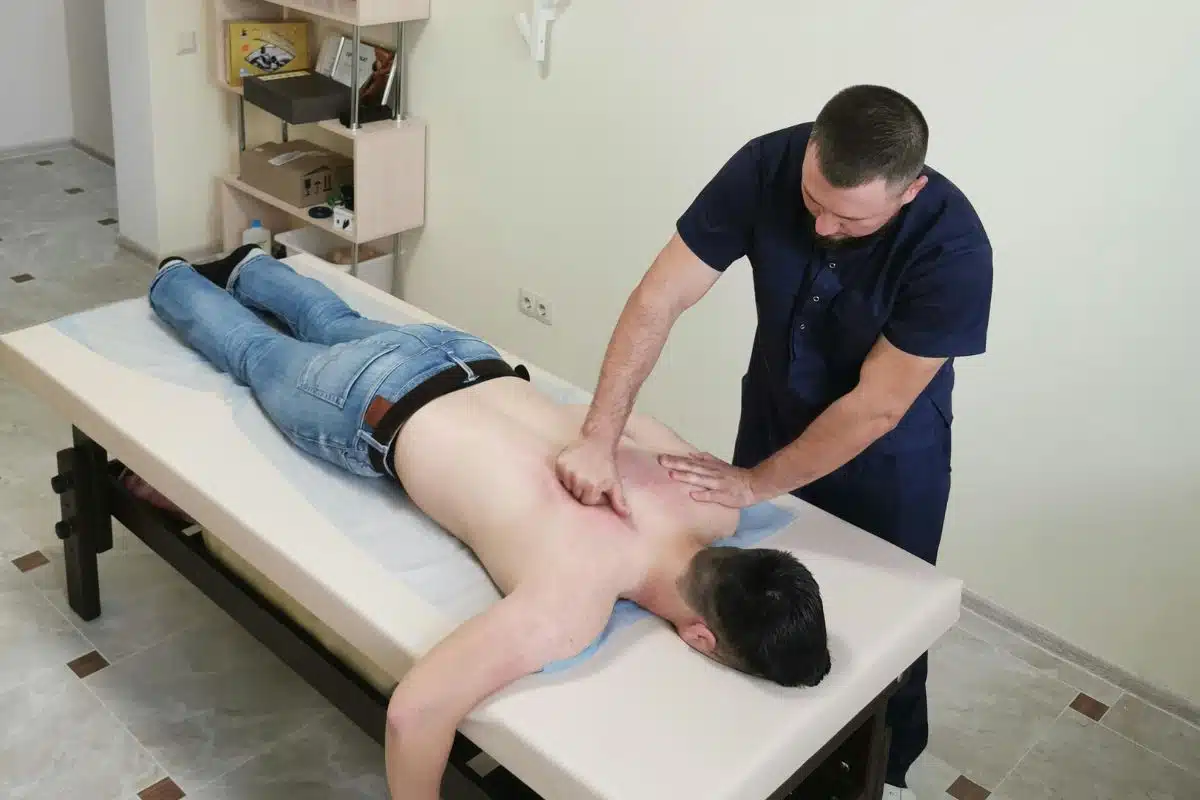
Back pain isn’t just uncomfortable; it can make everyday life harder than it should be. If you’ve been looking for solutions, you’ve probably heard advice like “just stretch more” or “fix your posture,” but that doesn’t always get to the real cause of the problem. When the pain keeps coming back, it can be frustrating not knowing what actually needs to change.
Here is a guide covering the root causes of your discomfort, preventive habits, and professional treatment options to help you find sustainable back pain relief in Houston and live more comfortably.
Common Causes of Back Pain
Low back pain is the most common type of pain in adults, affecting more than 619 million people worldwide. Many people think all back pain is the same and can be treated the same way, but that’s not the case.
Here are some of the most common causes of lower back pain to help you find the right care.

Muscle Strains and Sprains
Your lower back supports your body weight and helps you move every day, so it’s easy to strain from overuse or sudden movements. If the muscles here get overstretched or injured, you might feel pain, stiffness, or tenderness.
Degenerative Disc Disease
The discs between your vertebrae work as shock absorbers for your spine. As you get older, they lose moisture and flexibility, becoming drier and more brittle. This raises the risk of disc herniation, which can cause pain that spreads from your lower back down your leg, along with numbness, tingling, or muscle weakness.
Although some disc degeneration is a normal part of aging, sedentary behavior, poor posture, and excess body weight speed up the process and increase the likelihood of chronic back pain.
Spinal Stenosis and Spondylolisthesis
Spinal stenosis and spondylolisthesis can press on the nerves in your spine. This pressure can cause pain, tingling, or weakness that spreads into your thighs and legs, making daily activities harder.
If these conditions aren’t treated, they can worsen over time and lead to more lasting symptoms.
Poor Posture and Sedentary Lifestyle
Sitting at a desk for hours with poor posture does more than just make you tired. An article from the Spine Health Foundation says that sitting for long periods puts steady pressure on your back muscles, which can cause soreness and stiffness.
A sedentary lifestyle compounds the problem. When back muscles go unused for extended periods, they weaken and lose their ability to support the upper body. The spine compensates by absorbing forces, placing continuous, unrelenting strain on the lower back.
Injury, Accidents, and Underlying Conditions
Work injuries, car accidents, and underlying conditions are among the most common acute causes of back pain.
- Car accident injury: A rear-end collision can cause inflammation, fractures, or pinched nerves. Back pain from these injuries might not appear right away, but can worsen over days or weeks if left untreated.
- Underlying conditions: Scoliosis, arthritis, and fibromyalgia can compress spinal nerves, cause inflammation, weaken bones, and destabilize the spine, all of which can lead to back pain.
- Work injuries: Repeating the same motion, heavy lifting, or staying in awkward positions for too long can damage your back muscles over time. This puts extra pressure on your spinal discs, causing pain and making it harder to move.
7 Habits to Prevent Back Pain Before It Starts
The majority of back pain is preventable. It isn’t inevitable, and it isn’t purely genetic. The habits that lead to chronic lower back pain develop slowly, which means the habits that prevent it can work the same way.
Knowing how to prevent back pain starts with understanding which daily choices have the largest cumulative impact on spinal health.

#1 Strengthen Your Core and Back Muscles
Weak core and back muscles are a common and fixable cause of ongoing lower back pain. If these muscles aren’t strong, your spine has to work harder, which puts extra stress on your back over time. Doing targeted stretching and strengthening exercises twice a week can really help.
#2 Correct Your Posture While Standing or Sitting
Good posture means keeping your body in positions that evenly distribute weight across your spine, rather than putting too much pressure on one spot.
Here are some tips:
- When standing, keep your back straight, your neck in a neutral position, and your weight evenly distributed between both feet.
- When sitting, keep your back against the chair, your knees a little higher than your hips, and your screen at eye level to avoid extra strain.
- At your workstation, make sure your feet are flat on the floor, your monitor is directly in front of you, and your keyboard is positioned so your elbows stay comfortably at a 90° angle.
#3 Lift with Your Legs, Not Your Back
When lifting something heavy, bend your knees, keep your back straight, and use your legs to stand up. Hold the object close to your body. Don’t twist at your waist—turn your whole body by moving your feet.
#4 Maintain a Healthy Weight
Excess abdominal weight shifts the center of gravity forward and continuously strains the lumbar spine. The relationship is mechanical and direct: more weight in the front means more force pulling on the structures in the back.
Follow a diet rich in lean proteins, fruits, vegetables, and whole grains, combined with at least 30 minutes of physical activity daily, to support both weight management and the reduction of systemic inflammation, which benefits spinal health over time.
#5 Stay Active
Resting for more than a day or two after back pain starts can actually slow your recovery. Not moving enough can make your back muscles stiff and weak, making it harder to move later.
Moving regularly is usually better than just resting. Staying active improves blood flow, reduces inflammation, and keeps your spinal discs healthy. Low-impact activities like walking, swimming, and cycling are great because they keep your back muscles strong and flexible.
#6 Proper Sleeping Position
How you sleep affects your spine. Sleeping on your stomach isn’t recommended because it twists your neck and flattens your lower back, which puts extra strain on your spine overnight.
For better support, sleep on a medium-firm mattress in a neutral position—either on your side with a pillow between your knees or on your back with a pillow under your knees. These positions help keep your spine aligned and reduce pressure on your spine while you sleep.
#7 Manage Stress Actively
Stress can cause muscle tension, especially in your lower back. If you’re stressed for a long time, your body stays tense and inflamed, which can make pain feel worse.
Deep breathing, stretching, yoga, walking, and mindfulness can all help your body better handle stress. These practices may help you recover faster than focusing solely on physical treatments.
Professional Treatment for Back Pain: Physical Therapy vs. Chiropractic Care
When prevention habits and home care aren’t enough, professional treatment is the next step. And for those seeking back pain relief in Houston, choosing between physical therapy and chiropractic care matters.
The Benefits of Physical Therapy for Back Pain
Physical therapy is one of the first-line treatments for chronic lower back pain. It takes a structured, individualized approach to address the underlying causes of pain and support your body toward long-term benefits.

- Core and back muscle strengthening: Physical therapists use targeted exercises to rebuild the muscles that support the spine.
- Improved range of motion: Guided stretching and movement therapy relaxes tight muscles, reduces spasms, and restores the full range of motion.
- Posture correction: A physical therapist identifies and corrects the specific postural habits that caused or are perpetuating your pain, rather than offering generic advice.
- Home exercise programs: Physical therapy equips you with practical, personalized tools to manage your condition and prevent recurrence.
- Surgical avoidance: Physical therapy focuses on providing sustainable relief without relying on aggressive interventions.
The Benefits of Chiropractic Care for Back Pain
Chiropractic care is a safe, noninvasive way to relieve back pain. With precise spinal adjustments, it targets the root cause of discomfort, offering drug-free pain relief and better overall function.
- Immediate relief for acute pain: Gentle, targeted adjustments and soft-tissue techniques in chiropractic care help reduce inflammation and muscle tension.
- Improved mobility and flexibility: Chiropractic treatments realign your spine and ease tight muscles, helping you move more freely and stay active.
- Holistic scope: Chiropractors look beyond just your spine. They also consider your posture, work setup, activity level, and nutrition as part of your care plan.
Physical Therapy vs. Chiropractic Care: Which Is Right for You?
Both physical therapy and chiropractic care can be highly effective. The key is understanding when each treatment should be used.
The table below makes it easy to compare the two options and see which might work best for you.
| Approach | Most Effective For | Ideal Patient Scenario |
| Physical Therapy | Muscle weakness and deconditioning | Patients whose pain is driven by poor strength or lack of conditioning. |
| Post-surgical rehabilitation | Individuals recovering from orthopedic or spinal procedures | |
| Long-term prevention and maintenance | Those aiming to prevent future injuries and maintain spinal health | |
| Chiropractic Care | Acute pain from spinal misalignment | Patients who need quick, targeted relief for sudden back or neck pain. |
| Disc-related pain and nerve compression | Individuals experiencing radiating pain, numbness, or tingling are linked to disc issues. | |
| Immediate structural correction before rehab | Patients who want short-term pain relief before starting a longer recovery plan |
However, in many cases, the best results often come from combining both approaches to achieve long-term pain relief and faster recovery.
When Should You See a Doctor for Back Pain?
Most acute back pain improves within four to six weeks with conservative care and good habits. But certain signs indicate that a problem needs professional evaluation sooner rather than later.
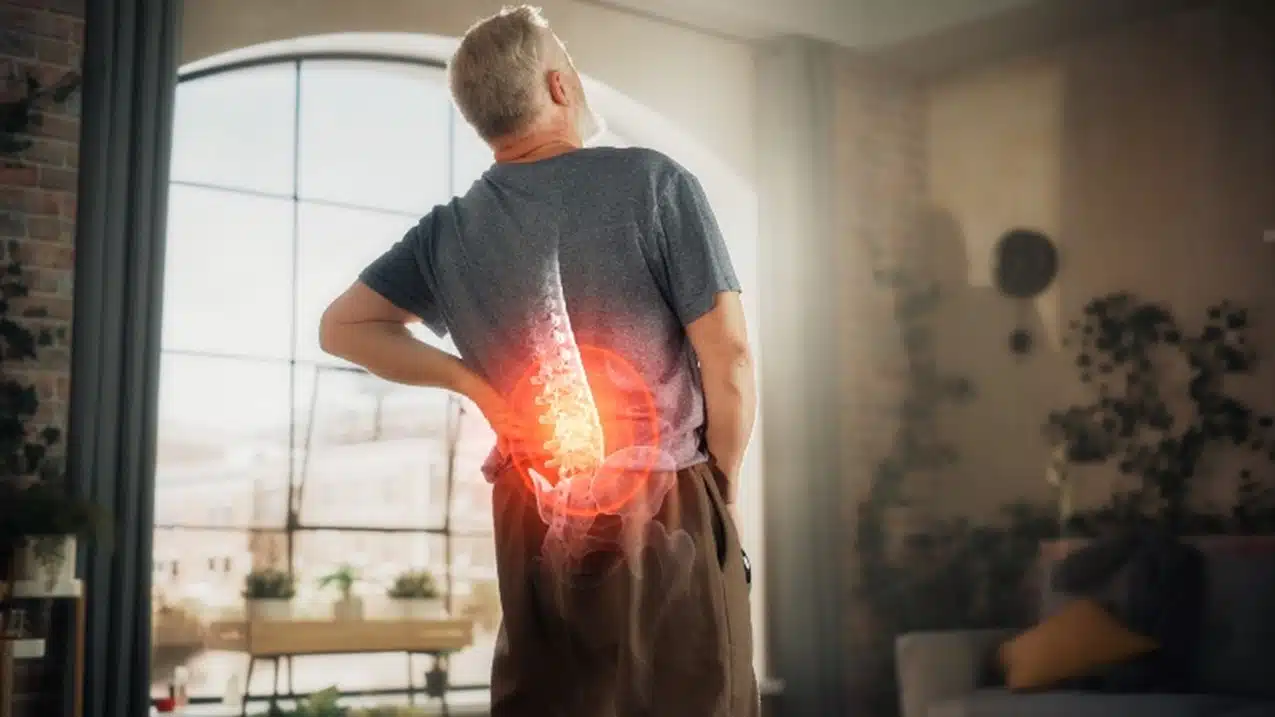
- Pain that persists beyond four to six weeks with no meaningful improvement.
- Pain that radiates down one or both legs.
- Numbness, tingling, or muscle weakness in the legs or feet.
- Back pain that followed a fall, accident, or direct injury
- Pain accompanied by unexplained weight loss, fever, or changes in bladder or bowel function.
The longer a problem goes unaddressed, the more compensation patterns develop. Early intervention is about preventing acute pain from becoming chronic pain and preventing chronic pain from becoming a permanent structural limitation.
Frequently Asked Questions About Back Pain
The most common cause of lower back pain in adults is a muscle strain or sprain. Other frequent causes include herniated or degenerative discs, poor posture, a sedentary lifestyle, spinal stenosis, and conditions such as sciatica or spondylolisthesis.
Because several issues can cause similar symptoms, identifying the exact cause is an important first step toward achieving an effective treatment for chronic lower back pain.
Most back pain resolves within four to six weeks with rest and conservative care. However, you should seek professional evaluation promptly if your pain persists beyond six weeks, radiates down your leg, is accompanied by numbness or tingling, follows a fall or injury, or comes with unexplained symptoms like fever or bowel and bladder changes.
Both chiropractic care and physical therapy are effective for back pain, and often work best when combined. Chiropractic care is especially helpful for spinal misalignment, disc-related issues, and acute pain relief. Physical therapy focuses on improving strength, restoring movement, and reducing the risk of future pain.
At Houston Spine & Rehab, both services are available at one location, and treatment plans are customized for each patient’s condition.
Yes. The majority of back pain is linked to correctable habits such as poor posture, sedentary behavior, improper lifting, and excess body weight.
Consistently practicing good ergonomics, staying active, strengthening your core, and maintaining a healthy weight significantly reduces your risk of developing or worsening back pain.
Recovery timelines vary based on the cause, severity, and the timing of professional care. Acute back pain often improves within two to four weeks. While chronic back pain typically requires longer treatment to achieve long-lasting results.
One Comprehensive Plan, One Expert Team
Back pain isn’t something you have to accept or live with forever. By finding out what’s really causing your pain, building good daily habits, and choosing the right treatment, you can recover for good.
If you’re looking for back pain relief in Houston, we offer a variety of nonsurgical treatments to help you feel better and improve your quality of life.
Schedule your back pain consultation today at Houston Spine & Rehabilitation Centers. Our team is ready to meet you where you are!