TMJ Treatment in The Woodlands: Relief for Jaw Pain and Headaches

You’re used to wearing a night guard, but suddenly, you wake up with a dull headache, tight temples, and clicking, ear pain. If that sounds familiar, the problem often is not just your jaw.
At Houston Spine & Rehabilitation Centers, we offer TMJ treatment in The Woodlands that looks at the whole picture: the jaw joint, the muscles around it, and the neck and posture that feed the pain. Our goal is to target the root cause of your pain and help you move beyond temporary relief and toward lasting comfort.
What Is TMJ, and What Does It Feel Like?
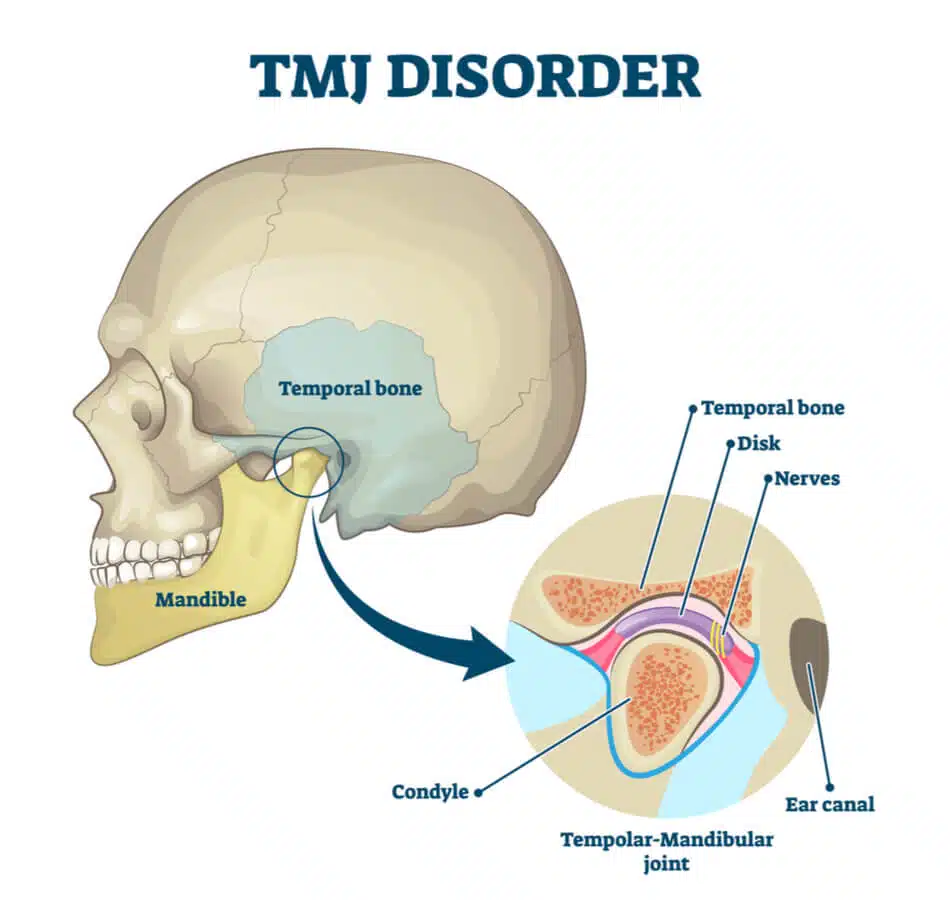
Your temporomandibular joint (TMJ) connects your jawbone to your skull, enabling vital daily movements like speaking, chewing, and yawning. When dysfunction occurs within this joint, simple daily activities can quickly become painful and disruptive.
Temporomandibular Disorder (TMD) is an umbrella term for a range of conditions affecting the jaw joint and muscles, causing symptoms like:
- Jaw ache, tenderness, or pain when chewing or yawning
- Clicking, popping, or grating in the joint
- Ear pain, facial pain, or a feeling of fullness in the ear
- A jaw that catches or locks open or closed
- Tightness in the back of the head, neck, or shoulder
- Migraine
What Causes TMJ Disorder?
A single issue rarely causes TMJ disorder; rather, it develops when multiple physical, mechanical, and behavioral stressors overlap. Understanding the primary underlying driver is a critical step in achieving a real, lasting solution.
- Habits and stress: Stress and anxiety often turn a tense day into a night of clenching alongside habits like teeth grinding, gum chewing, and nail biting, completely overloading the jaw muscles.
- Joint and bite issues: Structural issues such as arthritis, prior jaw injuries, disc displacement, and bite misalignment can all disrupt how the jaw tracks and loads.
- Posture and the neck: Long hours at a screen often lead to forward head posture and tight neck muscles, which quietly load the jaw and amplify tension.
Why Jaw Pain Is Often a Neck and Posture Problem, Too
The upper neck and jaw function as an interconnected system due to overlapping muscles and shared nerve pathways. So when neck tension builds, or the head sits in a forward posture, that physical strain transfers directly into the jaw, manifesting as chronic headaches and facial tension.
Achieving lasting jaw relief requires looking beyond the mouth. The table below compares a traditional, isolated approach with a whole-body strategy.
| The jaw-only view | The whole-picture view |
|---|---|
| Treats the bite and the joint with a splint or night guard | Assesses the jaw, the neck, the muscles, and posture together |
| Centers on the dental appliance or night guard | Adds hands-on care: chiropractic, physical therapy, dry needling |
| May leave neck-driven pain and headaches unaddressed | Targets the neck and posture that often feed the jaw pain |
Our team evaluates the jaw, neck, and posture as one interconnected system, targeting the structural root causes of your pain to deliver comprehensive, long-term relief.
How We Treat TMJ At Our The Woodlands Clinic
At Houston Spine & Rehabilitation Centers, our TMJ treatment in The Woodlands offers a comprehensive approach, starting with an accurate diagnosis and a personalized care plan designed to relieve pain and restore natural jaw function.
Diagnosis
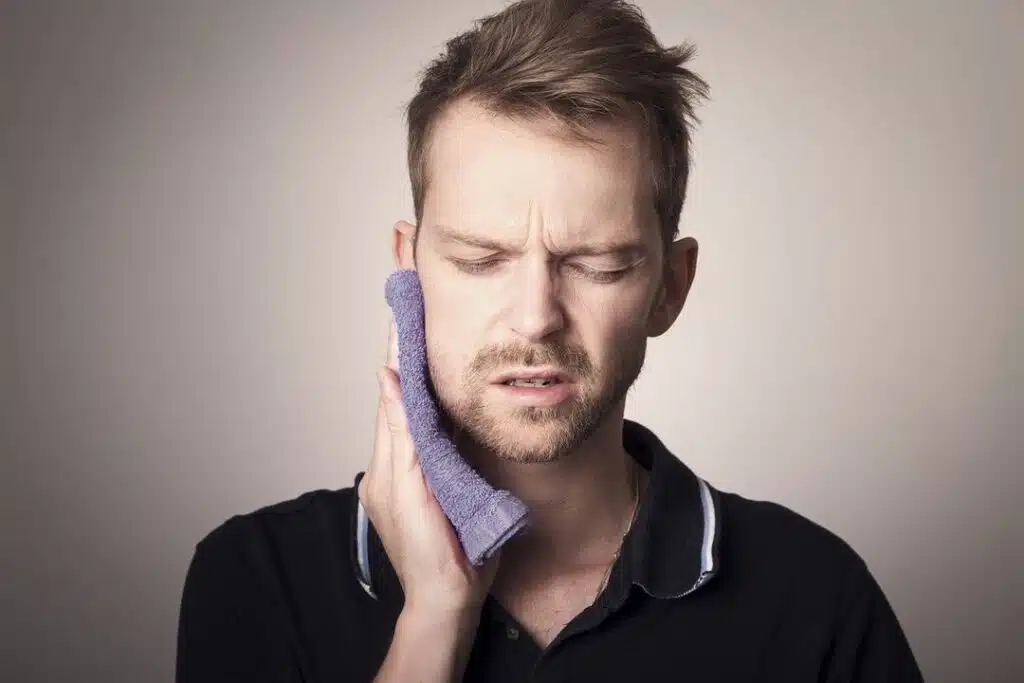
A proper TMJ disorder treatment starts with an accurate diagnosis. Here is how we evaluate your condition.
- In-Depth Consultation: Our TMJ chiropractor reviews your medical history, symptom timeline, and daily lifestyle to understand the origin and impact of your pain.
- Comprehensive Physical Exam: We evaluate your jaw mobility, structural posture, and targeted palpation of the jaw and neck musculature.
- Imaging Tests: In some cases, we may request X-rays, CT scans, or MRIs to confirm structural diagnoses.
Our integrative TMJ treatment options
Our integrative approach combines targeted therapies to address the underlying factors contributing to your condition and provide true, lasting relief.
Chiropractic Adjustments
Misalignments in the cervical spine can contribute to TMD by affecting nerve communication and muscle balance. Gentle, targeted chiropractic adjustments can help reduce stress on the TMJ and surrounding tissues, improve alignment, and alleviate pain.
Physical Therapy
Physical therapy uses manual techniques to release jaw tension, targeted exercises to build strength, and posture correction to reduce neck and upper back muscle strain; together, these work to steadily reduce your pain and restore natural jaw movement.
Dry Needling
Dry needling offers precise, deep-tissue relief by targeting myofascial trigger points that standard hands-on massage can’t reach. By inserting sterile needles directly into the masseter, temporalis, and lateral pterygoid muscles, this technique helps release tension, alleviate pain, and restore smooth, natural movement.
Active Release Technique
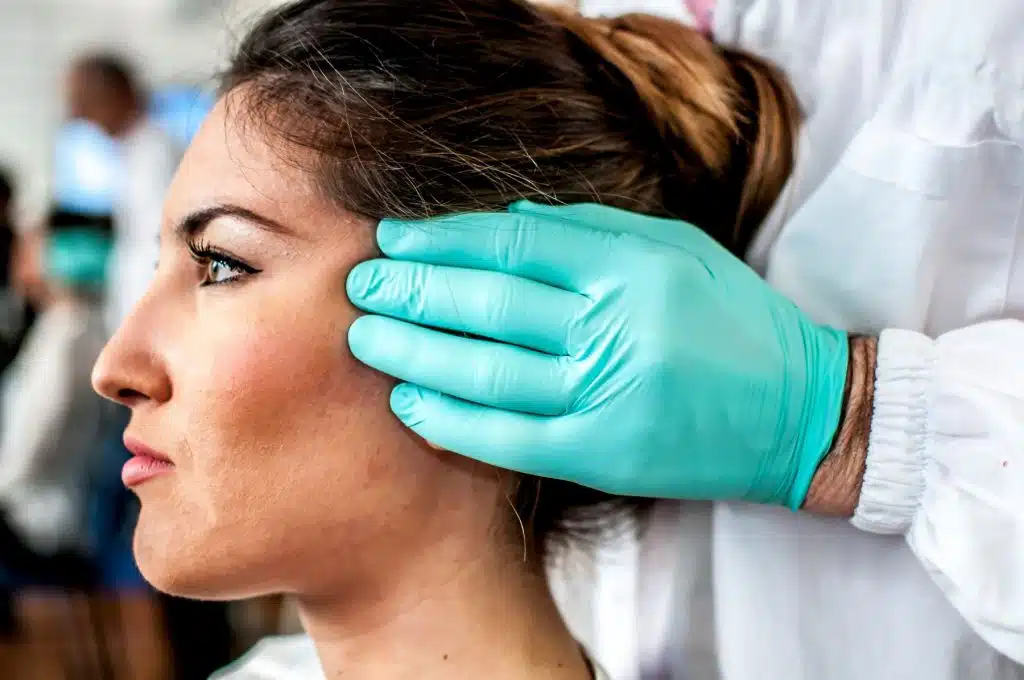
The active release technique helps with TMD by targeting the muscles that contribute to your symptoms. Using gentle, precise pressure combined with guided jaw movements, this hands-on approach helps release muscle tension, reduce restrictions, and restore the jaw’s natural movement.
Cold Laser Therapy
Cold laser therapy uses targeted light energy at specific wavelengths to stimulate the body’s natural healing process. It helps improve circulation, reduce inflammation, encourage tissue repair, and relax overactive jaw muscles, relieving strain on the TMJ and supporting faster recovery.
How to Ease and Prevent TMJ Flare-Ups at Home
If you have mild or acute TMD, these self-care strategies can help ease discomfort during a flare-up while reducing the risk of future symptoms.
During a flare-up
When TMJ symptoms occur, a few simple changes can help calm irritation, relax tense muscles, and give your jaw time to recover.
- Rest your jaw: Choose softer foods for a few days and avoid activities that require excessive chewing.
- Use cold and hot therapy: Apply ice first to help calm the flare-up, followed by moist heat to relax tight jaw muscles.
- Keep your jaw relaxed: Rest your tongue gently on the roof of your mouth, keep your lips together, and allow your teeth to remain slightly apart rather than clenched.
To keep flare-ups from returning
Once your symptoms settle, these simple habits can help reduce strain on your jaw and neck and lower the risk of future flare-ups.
- Improve your posture: Adjust your desk and screen setup to keep your head and neck in a neutral position rather than pushing your head forward.
- Reduce clenching and manage stress: Take regular moments to check that your jaw is relaxed, and use stress-management techniques that work best for you.
- Stretch gently: Incorporate gentle jaw and neck stretches into your routine to help maintain mobility and release muscle tension.
When to Seek Professional Help for TMJ

While mild cases of TMD frequently resolve with conservative at-home care, persistent cases require early intervention to prevent the condition from getting worse.
Consider scheduling a chiropractic evaluation if you experience:
- Jaw pain that lasts for more than a couple of weeks
- Pain that limits how wide you can open your mouth
- Pain that comes with frequent headaches
- Frequent TMJ pain with headaches
However, if your pain follows a direct blow or your jaw suddenly locks open or closed, seek emergency care right away.
Schedule Your TMJ Evaluation in The Woodlands Today
Don’t let jaw pain, clicking, and headaches wear you down. At Houston Spine & Rehabilitation, we offer TMJ treatment in The Woodlands that focuses on a comprehensive evaluation to target the root cause of your pain and help you feel better and live pain-free. Schedule a consultation today!
Frequently Asked Questions About TMJ
Yes. A chiropractor can help treat TMJ by addressing tension and dysfunction in the jaw muscles, upper neck, and posture that may contribute to pain and discomfort.
At Houston Spine & Rehabilitation Centers, we take an integrative approach, combining chiropractic adjustments, physical therapy, dry needling, and cold laser therapy to provide relief from TMJ jaw pain.
The best treatment for TMJ disorders depends on the underlying cause and severity of your symptoms. For patients experiencing TMJ and neck pain, conservative, nonsurgical care often provides effective relief.
However, if your bite alignment contributes to your symptoms, a night guard may be recommended.
TMJ-related headaches often occur alongside jaw symptoms such as aching or tenderness, clicking or popping, pain with chewing, or muscle tightness in the temples, face, and neck.
If your headaches worsen with jaw activity, teeth clenching, or morning jaw tension, a professional evaluation can help identify the underlying cause and determine the most appropriate treatment.
Coverage varies by plan and by whether care is billed as medical or dental. At Houston Spine & Rehabilitation Centers, we accept major insurance plans for rehabilitative care. Our team is happy to help verify your benefits and explain your coverage before your first visit to our The Woodlands clinic.
Recovery time varies depending on the underlying cause and severity of your symptoms. Many patients begin to notice improvement within a few weeks of consistent care, while long-standing or more complex cases may take longer to resolve. A clear diagnosis and a structured plan can help streamline your recovery.
Rarely. Most TMJ disorders improve with conservative, nonsurgical treatments that address contributing factors such as jaw muscle tension, neck dysfunction, and poor posture. Surgery is generally reserved for severe cases that do not improve with conservative treatment.