The Role of Chiropractic Care in Managing Chronic Post-Surgical Pain

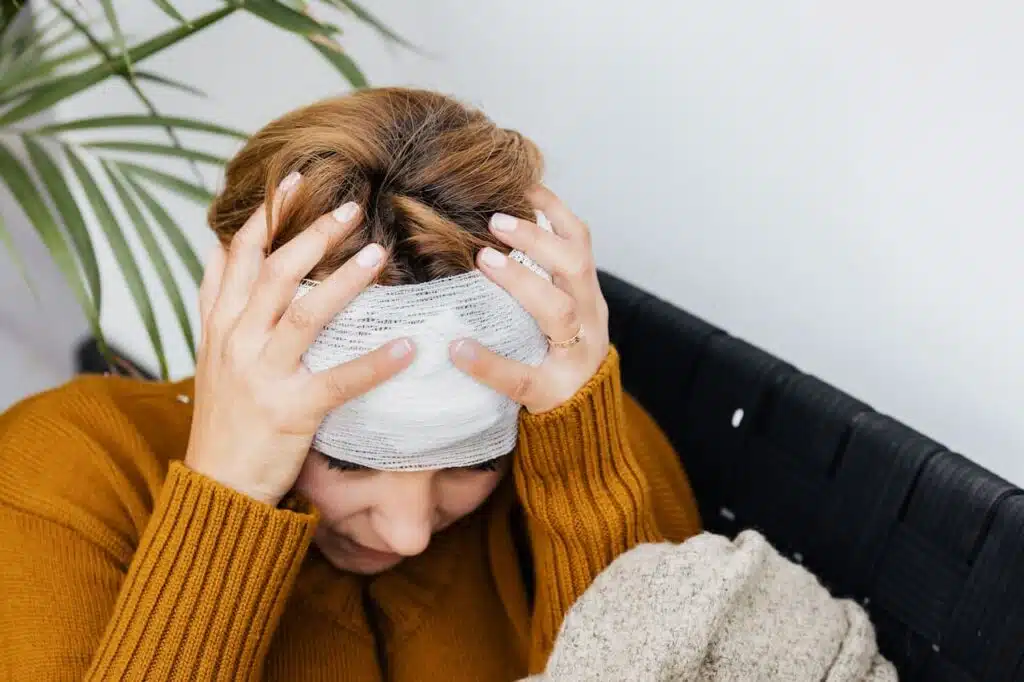
You did everything right. You followed your surgeon’s instructions to the letter, attended every follow-up appointment, and gave your body the rest it desperately needed. Yet, the pain is still there. What you are feeling is real, and you are not alone. This is a clinical reality for 80% of post-surgical patients, significantly delaying recovery and altering quality of life.
The good news is that returning to the operating room isn’t your only option. Getting chiropractic care for post-surgical pain can be the missing piece to achieving true, lasting relief.
Understanding Chronic Post-Surgical Pain

Chronic post-surgical pain (CPSP) means pain that continues for three months or longer after surgery. Unlike typical soreness, which typically goes away in a few weeks, CPSP is recognized as a distinct medical condition.
This happens when surgery damages nerves and tissues, leading to ongoing inflammation, more sensitive nerves, and slower healing. Since it involves deeper systems in the body, treating CPSP requires a personalized plan rather than standard post-op care.
Why Surgery Sometimes Fails: The Science of Failed Back Surgery Syndrome
After a back surgery, you may experience persistent or recurring pain. This is not a surgical error. Instead, it’s a Failed Back Surgery Syndrome (FBSS), or the pain that results from complex factors including nerve irritation, scar tissue formation, incomplete decompression, or biomechanical imbalance.
- Nerve irritation at the surgery site: Even if the operation went well, nerves that were under prolonged pressure may take months or even years to heal. Sometimes, some nerves stay sensitive for good.
- Scar tissue and adhesions: Your body makes scar tissue to heal after surgery. Problems start when this tissue sticks to nerve roots, which can limit movement and cause new pain.
- Incomplete decompression: In some cases, taking the pressure off one spot can put extra stress on the areas right next to it, causing neighboring parts of the spine to become problematic and painful.
- Biomechanical imbalance: If surgery changes how your spine moves, nearby muscles have to work harder to make up for it. Over time, this extra effort can lead to ongoing inflammation and muscle problems, even in areas far from the site of your surgery.
Navigating the “Pain Roulette” During Recovery

While some post-surgical patients experience quick relief, others experience fluctuating pain. This happens because nerve healing is rarely linear.
When nerves try to repair themselves after surgery, they don’t do so smoothly. They often misfire, causing sudden, unexplained spikes of pain. On top of that, inflammation flares up in cycles triggered by your activity, sleep, hydration, and even changes in the weather.
That’s why having a structured rehabilitation and pain management plan after surgery is so important. Without the right guidance, you might change how you move to avoid pain, but these quick fixes can lead to new strains and make the original problem worse over time.
How Chiropractic Care Specifically Targets Post-Op Pain
Most patients associate chiropractic care with the forceful manual adjustments commonly seen in general practice. But post-surgical chiropractic is different. Chiropractors do not use the same standard of care they would for healthy athletes.
Instead, post-surgical care focuses on a personalized, noninvasive rehabilitation plan. By tailoring gentle, targeted therapies to your specific recovery stage, this approach relieves pain, restores function, and supports your body’s natural healing process.
Managing Scar Tissue and Adhesions
Post-surgical scar tissue and adhesions can restrict your mobility and cause discomfort during movement. To address this, a licensed chiropractor uses noninvasive mobilization techniques, such as Cold Laser Therapy, to gradually break up soft-tissue adhesions, improve flexibility, and accelerate healing without disrupting the surgical repair.
Restoring Spinal and Joint Alignment
Surgery alters natural spinal alignment, which leads to compensatory stress in surrounding muscle structures that results in chronic inflammation that was never directly involved in the original injury. To address this, chiropractors use a low-force, instrument-assisted adjustment technique to realign the spine and relieve post-surgical pain.
Reducing Inflammation and Supporting Nerve Health
If inflammation stays around nerve tissue, it can make pain signals much stronger than usual. Clinical research demonstrates that a specific course of nine chiropractic adjustments can help bring inflammation markers back to normal, helping your body feel more balanced and comfortable.
Frequently Asked Questions
It’s normal to still have pain after surgery. This doesn’t mean your surgery failed or that you won’t get better. Ongoing pain is part of a complex healing process, often caused by things like sensitive nerves, scar tissue, incomplete decompression, and changes in how your body moves.
The nervous system can also enter a state of central sensitization, in which it amplifies pain signals even after your tissue has begun to heal.
Not always. Many people with ongoing pain after surgery get better with structured, noninvasive rehab instead of more surgery. A careful evaluation can help find out if your pain is caused by mechanical, inflammatory, or nerve-related issues.
Repeat surgery is usually the last option and is only considered after you’ve tried these gentler, conservative treatments.
Yes, chiropractic care after surgery is generally safe, provided you are treated by a licensed professional with post-surgical training and have your medical doctor’s clearance.
Because your body is more sensitive after an operation, chiropractors do not use the traditional manual cracking to provide relief. Instead, they use gentle, instrument-assisted adjustments and therapeutic therapies to help manage chronic pain and support your recovery without putting any stress on healing surgical sites.
Post-surgical patients at Houston Spine & Rehabilitation Centers are treated using low-force, instrument-assisted methods. These include the Activator Method for spinal alignment, Cold Laser Therapy for reducing inflammation and promoting soft tissue repair, and gentle mobilization techniques to address scar tissue and adhesions. High-velocity manual adjustments are not used in post-surgical protocols.
The timing depends on the patient, the type of surgery, and the patient’s healing progress. Some people can start chiropractic care just weeks after surgery, while others need a few months of recovery first.
You’ll need approval from your surgeon or primary care doctor before starting any treatment. Houston Spine & Rehabilitation Centers works directly with your surgical team to set the right timeline for your care.
Reclaiming Your Quality of Life After Surgery
Recovery from post-surgical pain isn’t about getting rid of every feeling. For most people, the real goal is to regain enough function to enjoy life again. This is a goal worth working toward, and it’s possible with a structured, noninvasive rehab plan that helps your body tackle the different causes of pain at the same time.
If you are still experiencing persistent symptoms months after surgery, schedule a consultation at Houston Spine & Rehabilitation Centers. Our team works together to build a structured recovery plan designed around your specific needs and health goals.