Back Spasms: What Causes Them and How to Find Relief
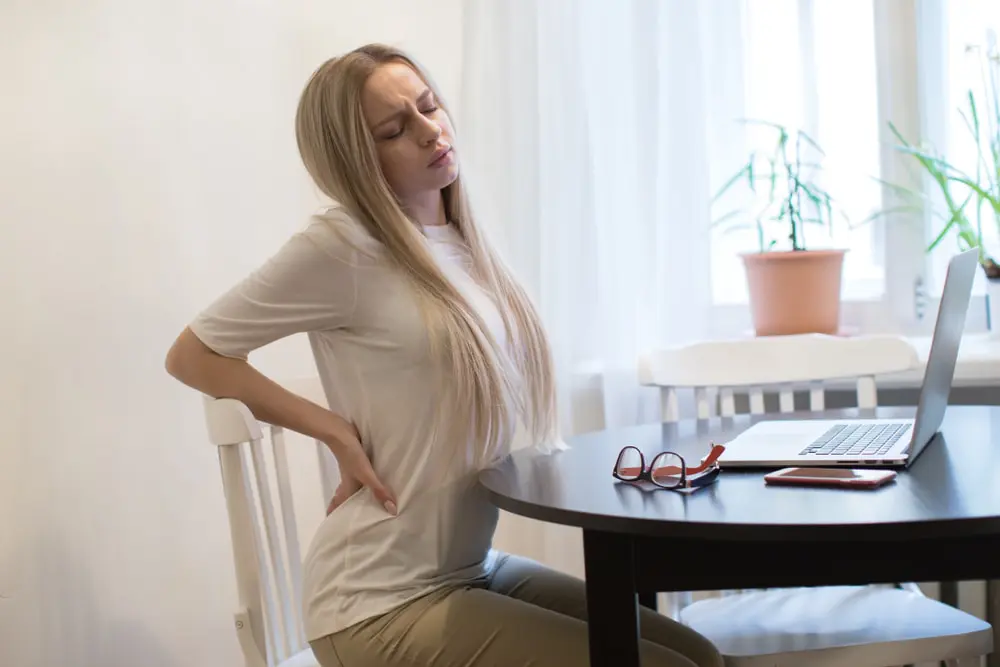
You turn over in bed, and all of a sudden, sharp stabbing pain freezes you in place. Suffering from back spasms at night leaves you terrified to make even the slightest move. If what should have been a restful night turned into a wake-up call, you’re searching for two things: why it happened and how to stop it.
Most back spasms are triggered by muscle strain, bad posture, dehydration, and an underlying spinal issue. If you are experiencing persistent symptoms, knowing the exact cause is crucial to seeking the right care.
What Are Back Spasms?
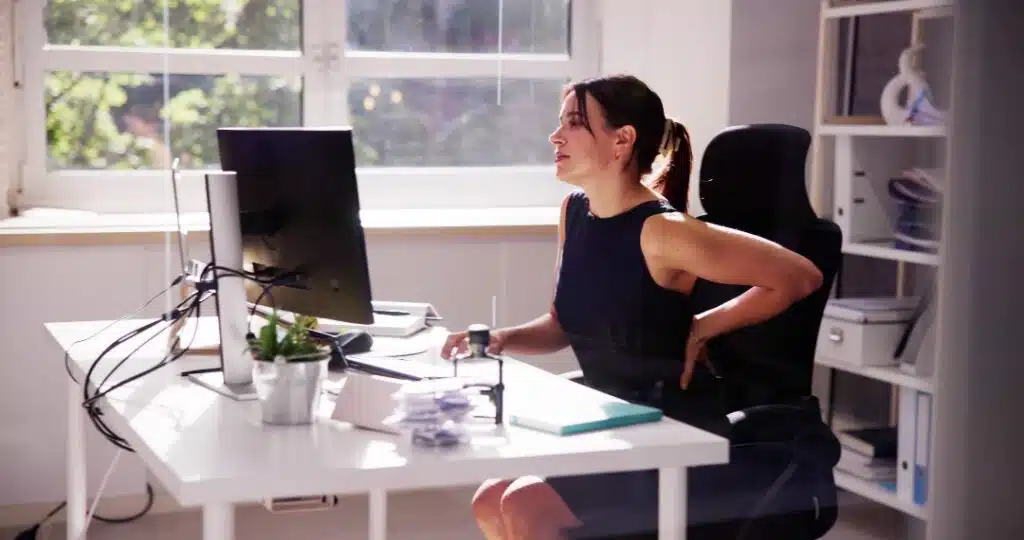
A back spasm is an involuntary contraction of one or more muscles, mostly in your lower back, ranging from a mild twinge to a debilitating pain that stops you mid-motion. Some spasms build gradually over a few minutes, others strike instantly with no warning.
What Are The Causes of Back Spasms?
Back spasms often result from a mechanical trigger or an underlying spinal condition, causing the surrounding muscles to tighten and guard the area. Understanding the root cause helps determine whether a medical evaluation is required.
| Mechanical / Everyday Causes | Anatomical / Underlying Causes |
|---|---|
| Muscle strain or micro-tears from lifting, twisting, or sports | Herniated disc |
| Poor posture and prolonged sitting | Spinal stenosis |
| Weak core muscles from underuse | Degenerative disc disease |
| Dehydration and low electrolytes (potassium, calcium, magnesium) | Facet joint osteoarthritis |
| Stress and anxiety | Sciatica-related nerve irritation |
Spasms tied to structural or anatomical issues will continue to persist until the underlying instability or inflammation is properly treated. If your spasms keep recurring, a professional diagnosis is essential.
How to Relieve a Back Spasm in the First 72 Hours
When a back muscle spasm strikes, the first 72 hours are critical. Following the step-by-step protocol below will help calm the muscles and help fast-track your recovery.
In the Moment
During an active back spasm, follow these steps to manage acute pain and calm the affected muscle.
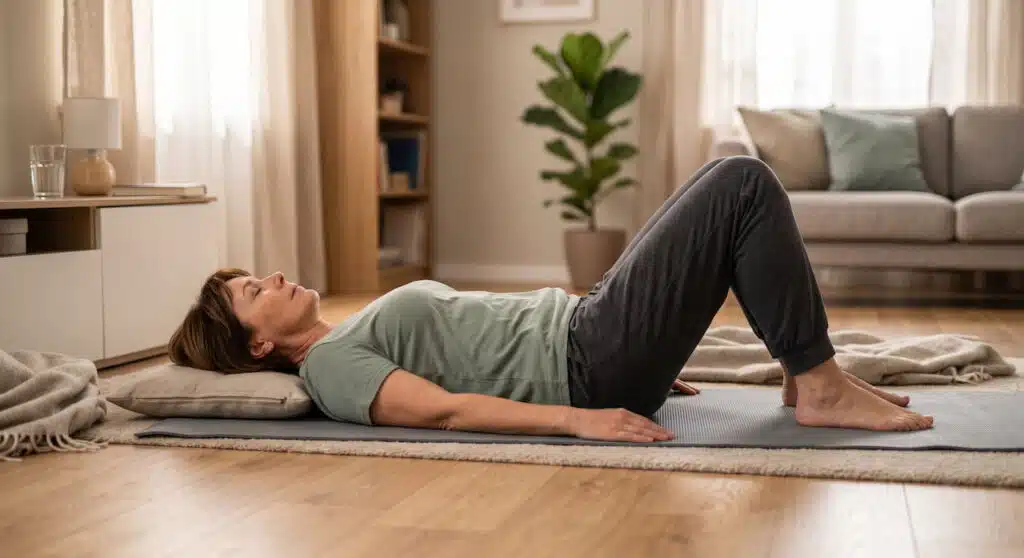
- Rest in a neutral position: Lie flat on your back with your knees bent and feet flat on the floor. This reduces tension and immediately unloads pressure from the spasming muscle.
- Focus on controlled breathing: Take slow, deep breaths to help the muscle release naturally and prevent the body’s reflex from tensing in response to the pain.
- Refrain from sudden movements: Avoid twisting or heavy lifting until the pain subsides.
Days 1 – Day 3
Follow this step-by-step routine during your first three days of recovery to calm initial inflammation and safely transition back into movement.
First 48 Hours: Reduce Inflammation
- Apply Ice Therapy: Wrap a towel around a cold pack and apply it for 15 to 20 minutes at a time, never directly on the skin, to numb sharp pain and reduce swelling.
- Consider OTC Medication: If necessary, you can take over-the-counter pain medication to help relieve inflammation and discomfort.
After 48 Hours: Restore Circulation & Mobility
- Switch to Moist Heat: Transition to a heating pad or warm compress to relax tight muscle fibers and boost healing blood flow.
- Introduce Light Activity: Prolonged bed rest may only increase pain, disability, and the number of days missed from work. Begin gentle stretching and short, frequent walks to keep your back mobile without overexertion.
When Back Spasms Signal Something Serious
While back spasms are usually not dangerous, they can occasionally signal a more serious underlying medical condition. If you are experiencing the following symptoms and at-home care isn’t bringing relief, it’s time to see a healthcare provider right away.
- Spasms lasting longer than a week
- Loss of bladder or bowel control
- Weakness in the arms or legs
- Numbness on one side of your body
- Loss of balance or coordination
- Severe pain that prevents movement
How Back Spasms Are Treated at Houston Spine & Rehabilitation Centers
Whether your pain is acute or chronic, the right treatment makes all the difference. Here’s how Houston Spine & Rehabilitation Centers helps patients achieve complete relief from back spasm.
Diagnosis
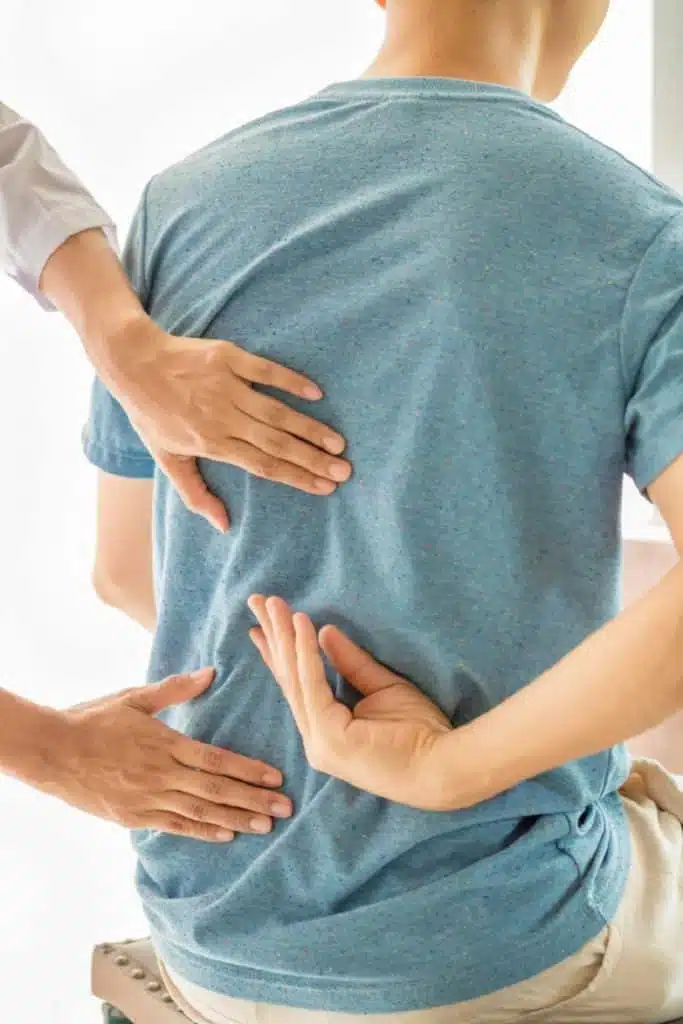
An accurate diagnosis is the key to determining how your back spasm will be treated. During your first appointment, your provider will ask when the spasm started, how severe it is, and whether it’s a one-time event or a recurring pain. To rule out conditions like arthritis or fractures, an imaging test may be requested.
In-Clinic Treatment Options
While short-term muscle relaxants can ease initial discomfort, and surgery remains a last resort for non-responsive cases, evidence-based, noninvasive care is the safest option.
Chiropractic Adjustments
Muscle imbalances are the primary driver of back spasm. Chiropractic adjustments help relieve these imbalances by restoring proper spinal alignment, which stops muscles from overcompensating to keep you upright.
Physical Therapy
Although resting during a back spasm is a common instinct, research published in the National Library of Medicine demonstrates that physical activity can help reduce pain over time. Physical therapy accelerates recovery by restoring spinal alignment, relieving chronic strain, and retraining healthy movement patterns to prevent future injury.
Dry Needling
Trigger points in the lower back can disrupt your muscle function, restrict your range of motion, and cause pain and tenderness. Dry needling works by inserting fine, sterile needles into tight muscle knots, or trigger points, to release tension, improve circulation, reduce pain, and promote healing.
Active Release Technique
Soft tissue adhesions can restrict movement, reduce blood flow, and create uneven tension that contributes to muscle spasms. Active release technique uses targeted pressure while the muscle moves to break up these adhesions, improve circulation, relieve tension, and reduce pain.
Flexion-Distraction Technique
When your back spasm is driven by herniated discs, sciatica, spinal stenosis, or facet joint syndrome, traditional spinal adjustments may become too painful. The flexion-distraction technique uses a Cox table to perform gentle, hands-on adjustments that relieve pressure on compressed nerves and relax tight, spasming muscles.
Nonsurgical Spinal Decompression
Unlike flexion-distraction, which uses hands-on techniques to relax tight muscles, nonsurgical spinal decompression uses a motorized table to gently stretch the spine. This helps relieve pressure on pinched nerves, promotes disc rehydration, and reduces the muscle spasms caused by nerve irritation.
Pain Injections
When conservative treatments haven’t brought relief for back spasms caused by a herniated disc or spinal stenosis, targeted injections offer a solution. By delivering a combination of local anesthetic and anti-inflammatory corticosteroid directly to the source of pain, this procedure provides rapid pain relief lasting for up to 12 months.
How to Prevent Future Back Spasms
While no single treatment can guarantee a back spasm will never return, specialists at the Cleveland Clinic recommend incorporating these daily habits into your routine to help lower your risk.

- Exercise: Regularly practice low-impact exercises to build core and back strength and reduce back strain.
- Proper Posture and Micro-Breaks: Sit up straight and take a quick break every 30 minutes to stand, walk, or stretch. Frequent movement prevents muscle stiffness.
- Stress Management: Physical stress causes muscle tension. Keep your back relaxed by drinking plenty of water, eating well, and practicing daily mindfulness or meditation.
If you have already tried these self-care habits for a few weeks and lower back spasms keep recurring, seeking professional care ensures you receive a personalized treatment plan tailored to the exact cause of your condition.
Frequently Asked Questions
Stop the activity that triggered your symptoms and apply ice to the affected area for 15 to 20 minutes at a time. Avoid prolonged bed rest, as gentle movement can help prevent stiffness and support recovery.
Light walking and gentle stretches, such as the figure-four stretch, help relieve tension around the sciatic nerve. You can also take an over-the-counter anti-inflammatory medication to help reduce pain and inflammation while your body heals.
Most cases of sciatica improve within four to six weeks with appropriate self-care. However, if your symptoms persist, recur frequently, or continue to worsen, it is important to seek a professional evaluation.
An experienced chiropractor can help identify the underlying cause of your sciatica and recommend an appropriate treatment plan to relieve your symptoms and prevent them from returning.
Start with wrapped ice packs. Applying an ice pack for the first 24 to 48 hours may help reduce inflammation and ease pain around the irritated nerve. After this initial period, switching to heating pads can help relax tight muscles, improve circulation, and reduce stiffness.
Yes. Many people with sciatica find relief through noninvasive chiropractic care. Treatments such as spinal adjustments, spinal decompression, and soft-tissue therapy can help improve spinal mobility, reduce pressure on irritated nerves, and ease pain and inflammation, helping you move pain-free and more comfortably.
Consider seeing a chiropractor if your sciatica persists for more than a few weeks, frequently returns, or gradually worsens despite self-care. However, if you experience significant leg weakness, loss of bladder or bowel control, or numbness in the groin or saddle area, it is important that you seek emergency care immediately, as these may indicate a serious nerve-related condition requiring urgent evaluation.
Mild sciatica often improves within a few weeks with conservative care, such as ice and heat therapy, light movements, and targeted exercises. If symptoms persist, worsen, or keep returning, an underlying condition may be contributing to the problem.
A healthcare provider can help identify the underlying cause and recommend appropriate treatment, with many cases responding well to evidence-based approaches designed to provide lasting sciatica relief without surgery.
Take the Next Step Toward Lasting Back Spasm Relief
Most back spasms resolve with rest and simple at-home stretches. However, if your condition lasts more than a week or keeps returning, our team at Houston Spine & Rehabilitation Centers can help identify what causes your back spasms and tailor a treatment plan to relieve the source of your discomfort.
Schedule a consultation today to receive the right care you deserve.