Iliopsoas Tendonitis Stretches: 6 Exercises, Step by Step
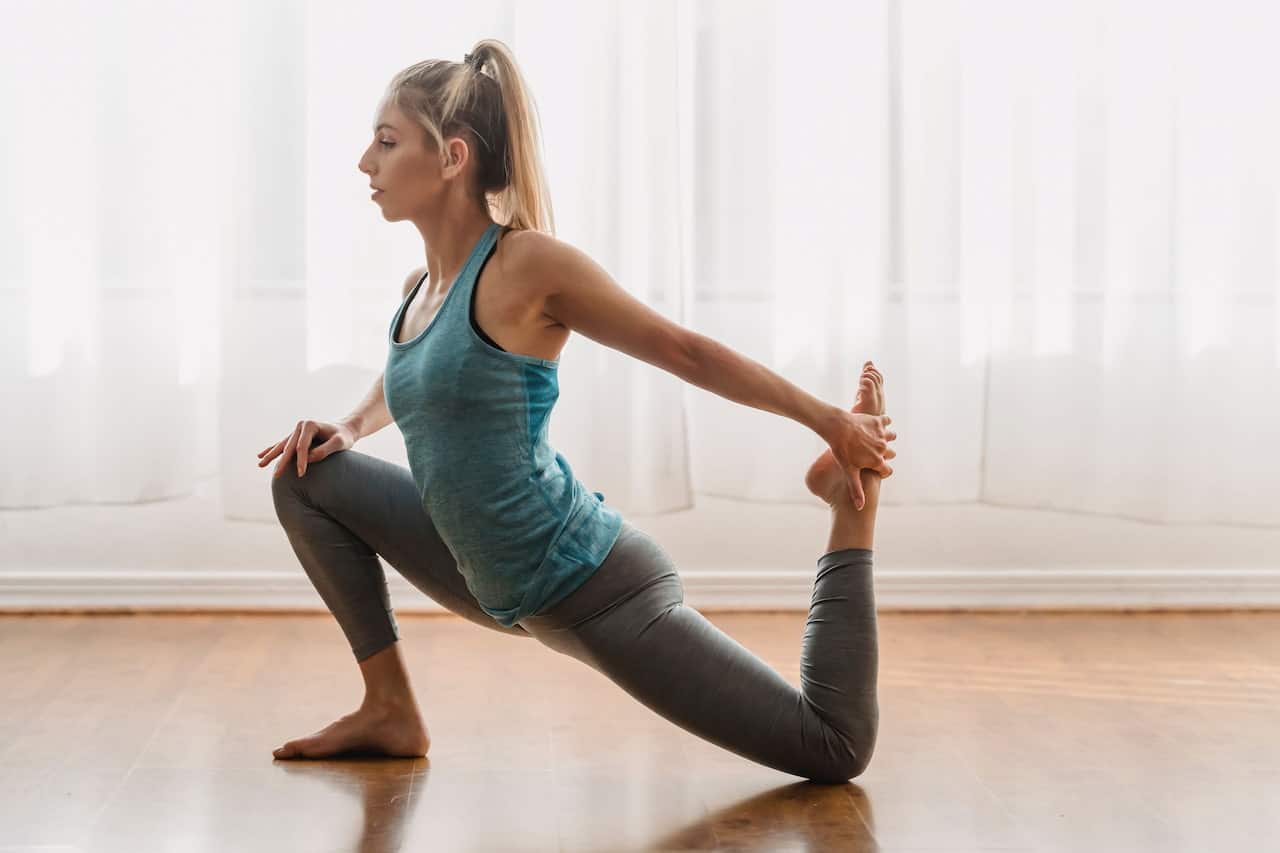
Your iliopsoas, the muscles located in the front of the hip joint, can be aggravated by underuse and overuse. This can result in a deep, nagging ache or a sharp pinch, accompanied by a distinct clicking or snapping sound, which can make twisting the hips difficult.
If you’ve been diagnosed with Iliopsoas tendonitis, the six iliopsoas stretches below are what physical therapists commonly prescribe to counteract muscle stiffness and soreness.
What Iliopsoas Tendonitis Actually Is
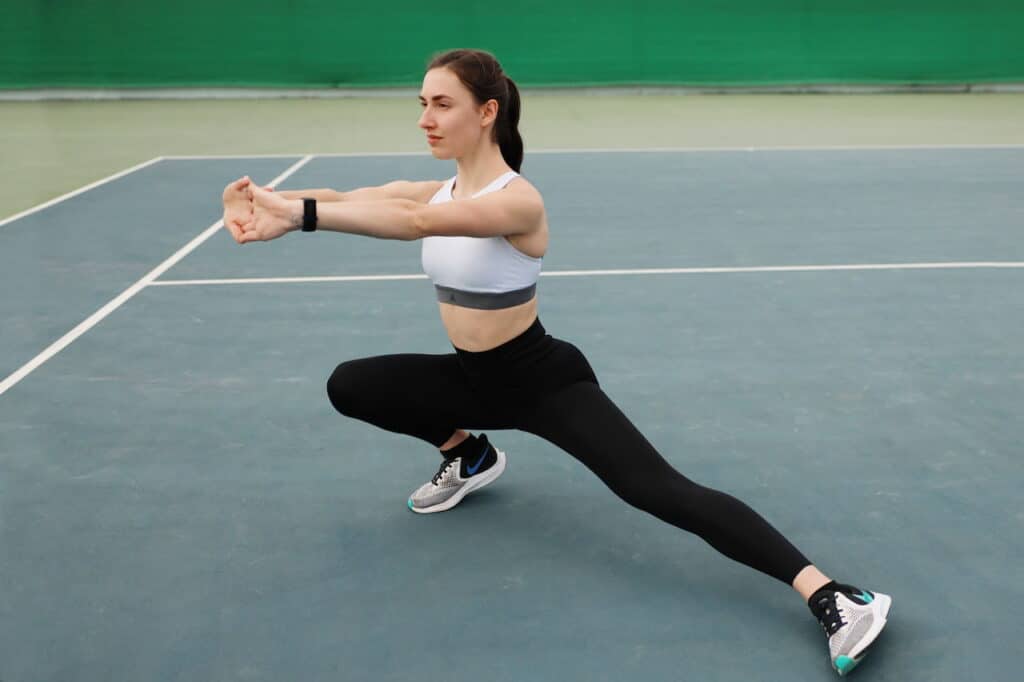
The iliopsoas is made up of two muscles: the psoas major, which begins at the sides of your lower spine, and the iliacus, which covers the pelvic bone. These muscles run to your upper thighs, so people often use ‘psoas’ and ‘iliopsoas’ to mean the same thing.
Iliopsoas tendonitis happens when the tendon linking the iliopsoas muscle to your upper thighbone gets irritated. This usually causes pain at the front of your hip, which often gets worse when you lift your knee against resistance.
If the problem lasts longer, clinicians may call it iliopsoas tendinopathy. This term means the tendon is worn or has undergone structural changes, not just inflamed.
6 Stretches for Iliopsoas Tendonitis
Tendon problems generally respond to progressive load. In fact, according to a study, a high-load intervention induced significant adaptations in the muscles, making them less prone to strain-induced injury.
If you are following a rehab plan, your physical therapist will tell you how much of each iliopsoas stretch to do to help strengthen and lengthen these muscles.
1. Half-Kneeling Hip Flexor Stretch
The half-kneeling hip flexor stretch is the foundation movement that targets the iliopsoas and other muscles at the front of the hip.
- Kneel on the leg you want to stretch, placing a towel under your knee for comfort.
- Step your other foot forward and keep your front knee bent at about 90 degrees.
- Gently tuck your tailbone under to flatten your lower back.
- Keeping your torso upright, shift your hips forward slightly until you feel a gentle stretch in the front of your kneeling hip.
Form cue: Most people arch their backs and lunge farther, which stretches the spine rather than the hip. Tuck first, then shift only slightly.
2. Kneeling Lunge With Overhead Reach
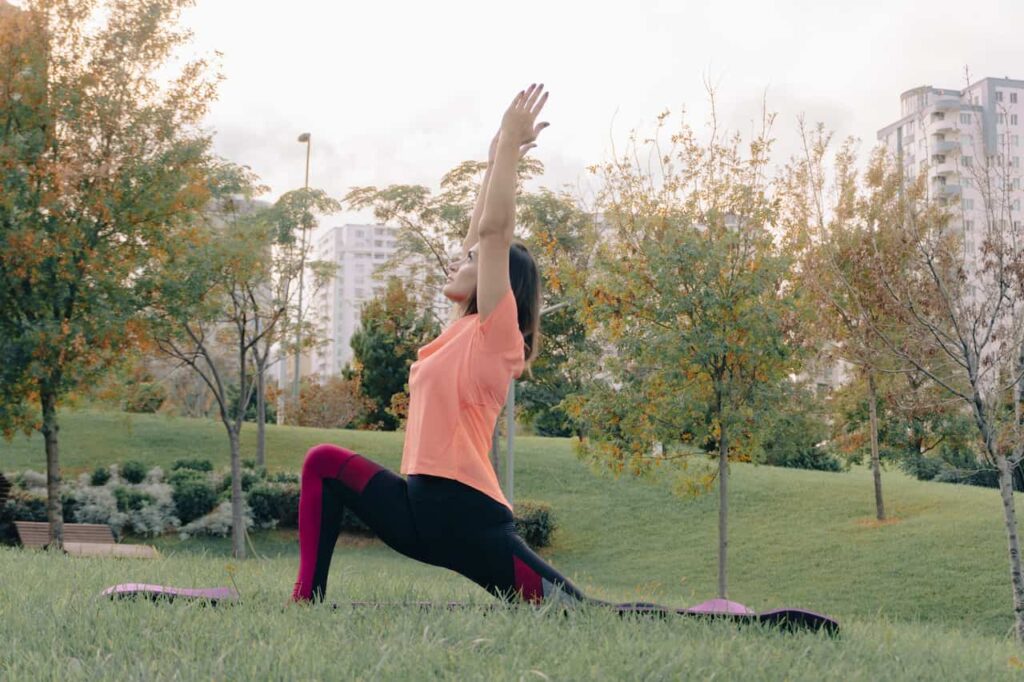
This stretch adds a gentle side-to-side movement to the first exercise, helping you engage more muscles around your hip and torso.
- Start in the same kneeling position, with your tailbone gently tucked.
- Raise the arm on the same side as your kneeling leg overhead.
- Gently lean your upper body away from the kneeling leg until you feel a stretch along the front and side of your hip.
- Keep your ribs pulled down and avoid arching your lower back.
Form cue: Keep the movement gentle. You should feel the stretch through your hip and side, not your lower back.
3. Supine Hip Flexor Stretch (Thomas Test Position)
This lying iliopsoas tendon stretch is a good alternative if kneeling is uncomfortable or difficult.
- Lie on your back near the edge of a firm bench or bed, with your hips close to the edge.
- Bring one knee toward your chest and hold it with both hands.
- Let your other leg relax and hang toward the floor.
- Keep the knee pulled toward your chest throughout the stretch.
Form cue: Keep the hanging leg relaxed. If your thigh starts to lift, pull the knee against your chest a little more instead of forcing the other leg downward.
4. Standing Hip Flexor Stretch
This easy stretch is useful when you need a quick break from sitting or working at a desk.
- Stand with one foot in front of the other, keeping the affected leg behind you.
- Squeeze the glute on your back leg.
- Gently tuck your pelvis under and shift your weight forward slightly.
- Keep both feet pointing straight ahead.
Form cue: Keep the back-leg glute engaged as you stretch. This helps keep your pelvis in the right position so you feel the stretch in the front of your hip rather than twisting or arching your lower back.
5. Psoas Release on a Ball or Roller

This technique uses gentle pressure to relax muscle tension rather than stretch the tendon itself.
- Lie face down with a soft ball placed just inside the front of your hip bone.
- Let your body gently settle onto the ball and take a few slow breaths.
- Slowly bend and straighten the knee on that side.
- Stop immediately if you feel sharp pain, numbness, or a pulsing sensation.
Form cue: Use light pressure and stay close to the hip bone. Avoid pressing deeply into your abdomen, where important organs and blood vessels are located. Skip this technique during pregnancy or if you have an abdominal condition.
6. Active Hip Flexor Strengthening
Strengthening the hip flexors can complement stretching by helping them handle everyday movement and activity.
- Sit upright on a chair with both feet flat on the floor.
- Place a light resistance band under one foot and over the thigh.
- Lift that knee a few inches against the band’s resistance.
- Slowly lower your leg over about three seconds.
Form cue: Stay within a comfortable range of motion. Mild discomfort that resolves within 24 hours may be acceptable, but if the pain worsens during exercise, reduce the resistance or stop.
How Often Should You Do These Stretches?
Tendon recovery responds best to consistent, gradual loading over several weeks rather than intense stretching sessions. It is recommended to do these stretches three times a day for two to six weeks.
The key is to stay consistent. Tendon tissue remodels slowly, so give the routine a full month before deciding whether the iliopsoas tendonitis exercises are working. If your symptoms worsen or do not improve within four weeks, notify your physical therapist or clinician right away.
When Is Stretching Not Enough?
Iliopsoas tendonitis stretches improve muscle flexibility, but they cannot rebuild compromised tissue, correct structural joint mechanics, or resolve nerve irritation. If you are experiencing the following symptoms, your care should involve more than just stretching.
- Persistent pain: Symptoms that last beyond three to four weeks of consistent effort or wake you up at night.
- Mechanical symptoms: Pain accompanied by catching, clicking, or snapping sensations in the joint.
- Instability and weakness: A noticeable drop in strength or the feeling that your hip is “giving way.”
Hip and Lower Back Care at Houston Spine & Rehabilitation Centers

Persistent hip tightness is rarely an isolated issue. Your hip muscles often tense up to compensate for hidden problems above or below your hips. At Houston Spine & Rehabilitation Centers, we look beyond the symptoms to evaluate how your pelvis and spine perform together under load.
Our practice takes a comprehensive approach, combining physical therapy, chiropractic adjustments, and soft-tissue work to address the root cause of your pain and help you move comfortably again.
Consistency Beats Intensity
When your hips feel locked up, forcing a deeper stretch usually backfires. Lasting relief doesn’t come from pushing through discomfort; it comes from daily, gentle consistency.
Need a hand refining your form? Schedule a consultation at Houston Spine & Rehabilitation Centers. Our licensed physical therapists will help you master each iliopsoas stretch. We also offer other services, including chiropractic care and pain management, to help you achieve lasting relief and overall wellness.
Frequently Asked Questions
Targeted iliopsoas tendinopathy exercises should be performed three times a day for two to six weeks. Hold each stretch continuously for 20 to 30 seconds, focusing on mild, controlled tension rather than aggressive strain. Consistent daily practice over several weeks is essential for restoring flexibility and promoting tissue healing.
Rest may temporarily ease the symptoms of iliopsoas tendonitis, but it rarely resolves permanently on its own. Because the condition stems from movement mechanics, pain often returns once normal activity resumes.
Achieving lasting recovery and preventing recurrence requires combining psoas tendonitis exercises with progressive strength training to rebuild tendon capacity.
Yes. The terms are used interchangeably. The iliopsoas is a unified muscle group formed by the psoas major, which attaches to the lower spine, and the iliacus, which lines the inner pelvis. Because these two distinct muscles merge into a single tendon that flexes the hip, they act as a single functional unit.
You can do both. Stretching helps manage symptoms by temporarily easing tightness and reducing perceived pain. Strengthening addresses the root cause by building tendon capacity to handle loads it couldn’t previously handle.
Focus on controlled strength work to rebuild tolerance, and avoid deep stretching while the tendon is actively inflamed.
Recovery timelines depend on the depth of the strain. Mild cases usually settle down within two to four weeks with targeted physical therapy that includes iliopsoas stretching, activity modification, and rest. Severe cases may require six to eight weeks of progressive rehabilitation to safely restore full strength and mobility.
Yes, provided you train at a lighter volume to avoid any discomfort. Always listen to your body. If you feel any sharp or worsening pain during training, stop right away and seek professional treatment for iliopsoas tendonitis.