What Is Chiropractic Care? How It Works and What It Treats

Chiropractic care is a licensed healthcare profession that uses hands-on adjustments, manual therapy, and exercise guidance to help manage problems affecting the spine, joints, muscles, and related nerves.
If you’re looking for natural ways to relieve pain, knowing what chiropractic care is, what chiropractors do, which techniques they use, what conditions they treat, and what to expect during your first visit can help you determine whether it’s the right option for you.
What is Chiropractic Care?

Chiropractic care emphasizes the body’s ability to heal itself. They are performed by chiropractors who earned a Doctor of Chiropractic degree by completing a four-year doctoral program after undergraduate study, followed by national board examinations and a state license to practice before treating patients.
Those years of education and training focus on chiropractic care and musculoskeletal conditions, meaning problems of the bones, joints, muscles, ligaments, and tendons.
However, compared with conventional medical practitioners, chiropractors do not prescribe medication or perform surgery. If your symptoms suggest something beyond musculoskeletal care, a chiropractor is trained to recognize that and refer you to the right clinician.
What is a Chiropractor vs. a Physical Therapist vs. an Osteopath?
All three treat musculoskeletal pain, use their hands, and prescribe exercise. The difference is the technique they use. Chiropractors tend to focus on spinal assessment and adjustments. Physical therapists lean toward progressive exercise, movement retraining, and post-surgical rehabilitation. Osteopathy sits between the two.
What Do Chiropractors Do?
Chiropractors focus on maintaining and improving your overall health by aligning your spine and improving your posture. Based on your condition, age, bone health, and comfort level, they use noninvasive techniques that help your body function at its best.
Chiropractic Adjustments
Chiropractic adjustments are quick, high-velocity thrusts applied to the spine or joint extremities that produce natural popping sounds. This noise is the sound of gas released from inside the joint, which helps reduce stiffness and tension in the surrounding muscles.
Soft Tissue Mobilization Technique
Soft tissue mobilization is a hands-on technique that involves slow, gentle movements and sustained pressure applied to the joints to gradually improve muscle movements and reduce pain. This technique is often recommended for patients who may not be suitable for an adjustment, such as those with osteoporosis, arthritis, or acute injuries.

Instrument-Assisted Soft Tissue Mobilization (IASTM)
IASTM is a technique designed to support recovery from conditions like tendinitis and muscle sprains. By using ergonomic stainless-steel instruments, chiropractors apply precise, gliding pressure to break down scar tissue, promote blood flow, and activate the body’s natural healing response, helping relieve pain and restore flexibility.
Decompression and Traction
For spinal disc issues such as bulges and herniations, spinal decompression and traction therapy provide a safe, restorative approach. These techniques use pulling force to gently stretch the spine, creating space between the vertebrae to reduce pain and activate the body’s natural healing mechanism.
Exercise, Movement Training, and Advice
The rehabilitation process works alongside traditional chiropractic adjustments to create lasting change in the body. Through targeted exercises, movement training, and lifestyle modifications, patients develop strength and mobility while learning to prevent future injuries and achieve long-term wellness goals.
What Chiropractic Treats, and What It Does Not
Low back pain is the most common reason people seek chiropractic care. According to the Global Burden of Disease 2021 analysis published in The Lancet Rheumatology, 619 million people worldwide were living with low back pain in 2020, making it the leading cause of years lived with disability.
However, chiropractic care is not designed to treat back pain alone. Chiropractic care is a holistic approach to diagnosing and treating issues related to neck pain, headaches, and other extremity conditions.
Chiropractic care operates within clearly defined clinical limits. It is not an established treatment for conditions unrelated to the musculoskeletal system. It does not treat infection or internal disease, and it cannot resolve a structural problem that genuinely requires surgery.
Is Chiropractic Safe?

Yes. Chiropractic care is safe when performed by a licensed, qualified professional. Research supports this, too. The 2026 Cochrane review of spinal manipulative therapy for chronic low back pain, which pooled 76 trials covering 11,866 people, found that adverse effects were limited to muscle soreness, stiffness, and a short-term increase in pain, with no serious complications recorded.
Still, safety starts with knowing when chiropractic care is appropriate. Before treatment, chiropractors perform a thorough health screening to identify conditions that may require a different approach.
If you have severe osteoporosis, significant nerve compression causing numbness, tingling, or weakness, or spinal cancer, your chiropractor may refer you to a different medical specialist for further evaluation and treatment.
Likewise, certain symptoms may call for medical care before chiropractic treatment. According to an article in the European Spine Journal, patients who had symptoms of vertebral artery dissection, or a tear in an artery in the neck, had attended a medical appointment one week before a chiropractic visit to ensure safety.
What Happens at a First Visit
Understanding what chiropractic care is and whether it fits your needs starts with a thorough assessment. During your first visit, you can expect:
- Consultation: Your chiropractor will ask about your pain, health history, daily activities, and treatment goals.
- Physical examination: Your mobility, strength, and other relevant physical functions will be assessed to better understand what may be contributing to your symptoms.
- Diagnostic testing: When clinically appropriate, your chiropractor will order imaging or other diagnostic tests.
- Personalized care plan: Once your condition has been evaluated, your chiropractor will work with you to develop a treatment plan focused on relieving symptoms, improving function, and supporting your recovery.
How Does Chiropractic Work Alongside Other Care
Chiropractic care isn’t meant to replace traditional medicine. It works best as one component of a unified team effort that includes physical therapy, pain management, and exercise. This is why some chiropractic offices include physical rehabilitation services and massage therapies, functioning as multidisciplinary clinics.
If your pain has not responded after a reasonable course of care, a professional chiropractor will adjust the plan or refer you elsewhere rather than repeating the same treatment indefinitely.
Chiropractic Care at Houston Spine & Rehabilitation Centers
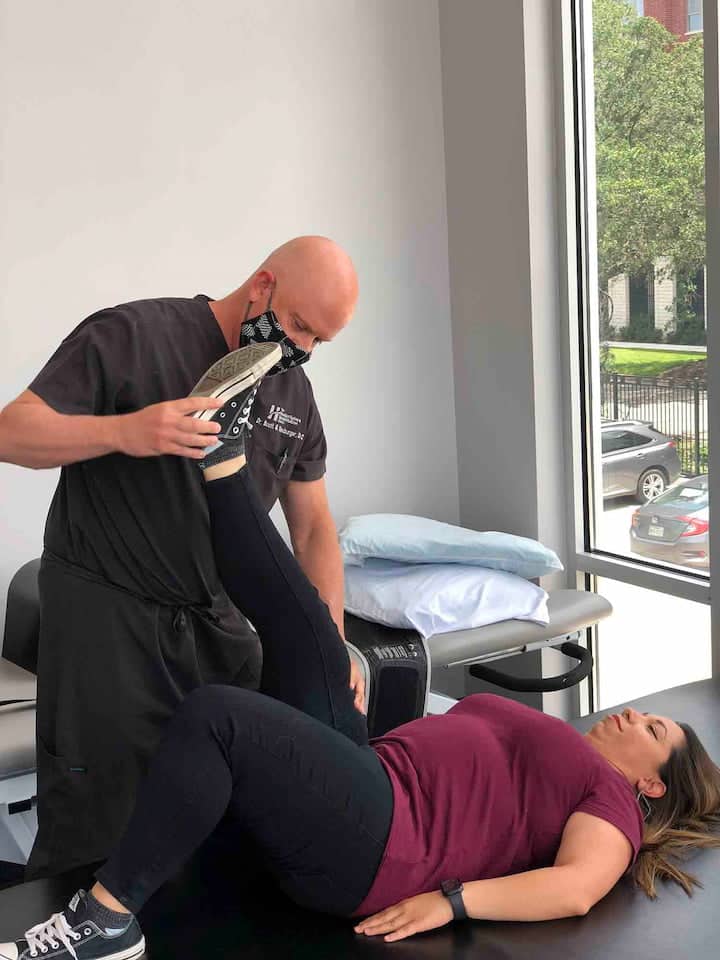
Treating or managing pain often takes more than one type of care. At Houston Spine & Rehabilitation Centers, our Houston and The Woodlands clinics bring chiropractic care, physical therapy, and pain management together under one roof, making it easier to access the services you need.
You don’t have to chase down new referrals, sit on waiting lists, or retell your medical story. Under our multidisciplinary clinic, your care team is already under one roof, actively sharing insights so your treatment stays cohesive and personalized.
We offer same-day appointments for new patients and begin with a thorough evaluation to understand the possible causes of your pain. Your provider will review your medical history, perform a physical examination, and establish an accurate diagnosis before recommending a treatment plan tailored to your needs.
Prefer to speak Spanish? Our clinics offer Spanish-speaking support to help you feel comfortable and informed throughout your care.
A Profession, Not a Philosophy
Understanding what chiropractic care is can help you see where it may fit within a broader treatment plan rather than viewing it as a solution for every type of pain.
If persistent back or neck pain is affecting your daily life, schedule a consultation at Houston Spine & Rehabilitation Centers. Our providers will assess your condition to help determine which treatment options may be appropriate for you.
Frequently Asked Questions
A chiropractor evaluates how your spine, joints, and muscles function to identify potential sources of pain and movement restrictions. Treatment may include hands-on techniques like spinal adjustments and soft-tissue therapies to relieve pain and improve mobility, as well as prescribed exercises to support recovery.
If your condition requires a different approach, we can provide a referral to another healthcare professional.
Yes. Chiropractic care is generally safe when performed by a licensed clinician and with a proper assessment. Soreness or stiffness for a day or two is a common side effect. Serious complications are rare, and risk factors are screened for beforehand.
Chiropractic therapy typically focuses on improving spinal and joint movement through techniques such as adjustments and hands-on care. Physical therapy focuses more on targeted exercises, mobility training, and rehabilitation to restore strength and function. The two services can complement each other, and many patients benefit from combining them as part of a comprehensive treatment plan.
The popping sound is typically caused by a rapid change in pressure within the joint, which allows dissolved gases in the synovial fluid to form bubbles. It does not mean that anything is breaking, cracking, or slipping back into place.
Some adjustments are silent, and the absence of a popping sound does not mean the adjustment was less effective.
In most cases, you do not need a referral to see a chiropractor. However, some insurance plans may require a referral, so check your coverage before scheduling your first visit.
The number of chiropractic sessions you need depends on the condition being treated, its severity, and how long you have had it. Your provider should establish a chirotherapy plan with a clear point for reassessment, then adjust your care based on your progress rather than following an open-ended schedule.
Many plans include chiropractic medicine, but coverage and visit limits vary widely between policies. Verify your benefits with your insurer, or ask the clinic to check them for you before your first appointment.