Why Physical Therapy Is Essential for Complete Spine Care

Why Physical Therapy Is Essential for Complete Spine Care
Are you suffering from backaches? If so, you’re not alone. Up to 85% of Americans suffer from back pain. Worse, it interferes with their daily lives, from working to spending time with their families.
Thankfully, relief is becoming more accessible in the form of physical therapy. For many patients, physical therapy is essential for complete spine care, as it allows them to live their lives pain-free.
Let’s explore how physical therapy addresses spine and back pain to determine if it could be an essential addition to your personalized treatment plan.
Why Spine Care Requires More than Rest
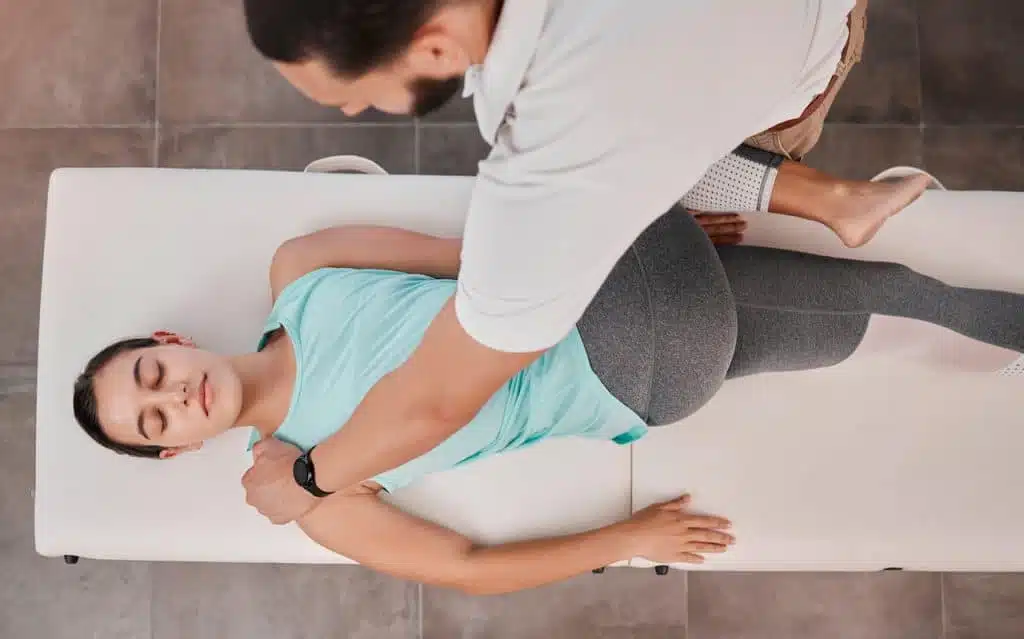
Some people think that painful spine conditions can be treated with rest. However, while it might reduce pain, resting doesn’t address the problem’s underlying causes. This is why relief from resting only lasts for a short while, and the pain returns almost immediately.
Keep in mind that most cases of back pain stem from concerning issues like injuries, postural imbalances, and degenerative diseases. If left untreated, they could worsen and lead to further problems that may be more difficult to manage.
Physical therapy helps strengthen your spine, making it more resilient against the demands of your day-to-day activities and reducing the risk of future injuries.
Why Physical Therapy is Essential for Complete Spine Care
Physical therapy is essential for complete spine care because it’s proven to restore mobility, strengthen supporting muscles, and promote long-term healing.
Unlike medication, physical therapy addresses your pain’s root causes rather than just masking its symptoms. It also doesn’t have the same level of invasiveness and extensive recovery time that surgical intervention typically has, allowing you to heal faster and more comfortably.

Other benefits of choosing a spine physical therapy program over other treatment methods include:
- Improved Posture: Physical therapy involves targeted exercises and addresses misalignments to help you maintain a proper posture.
- Lower Risk of Recurrence: By strengthening core muscles, your spine and its supporting muscles become more resilient against future injuries.
- Better Flexibility: Stretches and strengthening exercises loosen up your back muscles, reduce stiffness, and improve joint mobility.
Common Spine Issues Physical Therapy Can Help
Are you suffering from chronic back pain? How about post-surgery side effects? Here’s how spinal rehabilitation through physical therapy can help.
Herniated Discs and Nerve Compression
Disc herniation—when the jelly-like substance between each vertebra slips out due to strain or injury—can compress surrounding nerves. It leads to pain, numbness, weakness, and tingling sensations around the affected area.
Experienced physical therapists address this problem by developing stretch routines that retract the herniated disc and, in turn, relieve nerve pressure. Likewise, strengthening exercises reinforce your spine to minimize recurrence.
Chronic Back and Neck Pain
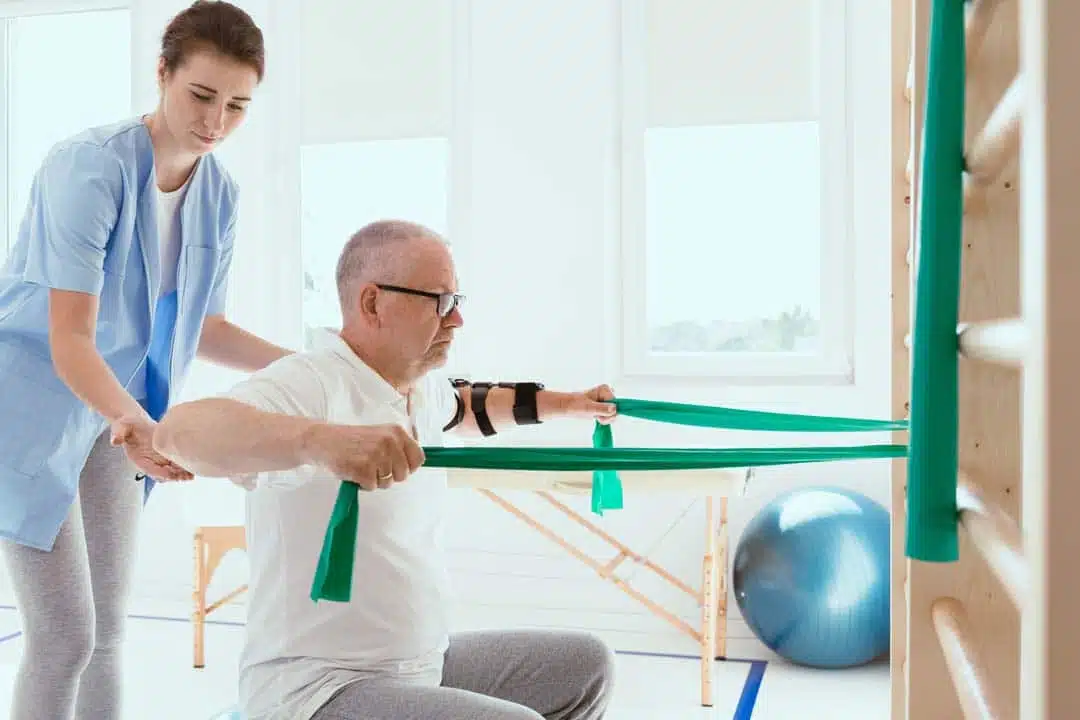
The way physical therapy addresses chronic neck and back pain depends on its underlying causes.
Does your pain stem from conditions like spinal stenosis or degenerative disc disease? If so, your program will likely consist of exercises and manual therapy to improve your spinal function.
Meanwhile, pain from injury to your muscles, tendons, ligaments, and fascia is manageable with soft tissue therapy and myofascial massages. These techniques help relieve pain, ease tension, and minimize scar tissue formation, thereby improving nutrient delivery to the injury.
Postural Problems and Workplace Strain
Prolonged slouching, poor gait, and improper lifting place undue stress on your core muscles and neck, resulting in painful stiffness and repetitive strain injuries.
To address these issues, physical therapy will educate you on maintaining proper body mechanics. If you’re a weightlifting athlete or a manual laborer, your therapist will also teach you proper lifting techniques to minimize the risk of injury.
Post-Surgical Rehabilitation
The recovery period after a spinal procedure is generally taxing on your body. It might feel sore, tense, and restricted, making movement difficult, if not impossible.
Here’s where post-surgical physical therapy comes in handy. Gentle massages and exercises help reduce pain and swelling while improving circulation to the spine surgery site, speeding up your recovery. Plus, it helps prevent complications like blood clots.
The Comprehensive Role of Physical Therapy in Spine Care
The advantages of physical therapy boil down to these crucial points:
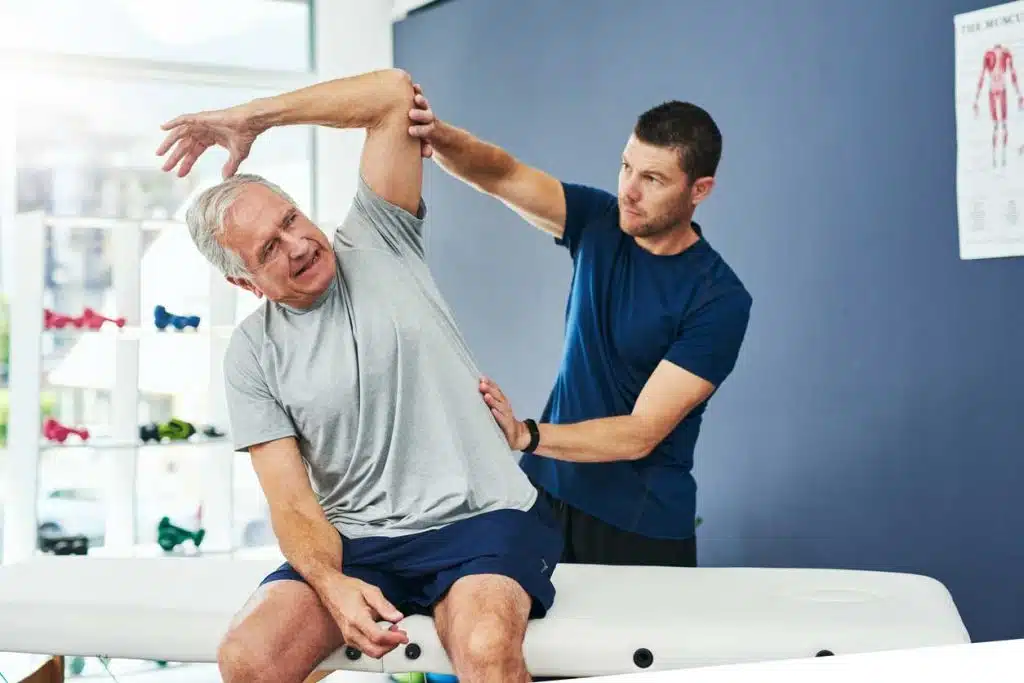
- Strength and Mobility Restoration: It helps build core and back strength, enabling them to support your spine more effectively and prevent future injuries.
- Pain Relief without Drugs: Physical therapy involves natural, noninvasive techniques that will help you recover without medication and its side effects.
- Injury Prevention: Preventive physical therapy focuses on strengthening your back and correcting movement patterns so you’re less likely to suffer further spinal injuries.
- Personalized Care: Every treatment is tailored to your unique condition and goals, ensuring the most effective and efficient path to recovery.
Lifestyle Benefits of Physical Therapy
Beyond addressing spinal conditions, you may also benefit from physical therapy to enhance various aspects of your daily life.
For one, it can help you return to your normal activities after an injury faster than otherwise. It also reduces daily discomfort from sitting, driving, or lifting, enabling you to take charge of your spinal health more confidently and independently.
When to Consider Physical Therapy for Spine Pain
Some reasons you might want to consider making physical therapy a fundamental part of your treatment program include:
- Chronic or worsening pain
- Limited mobility
- Post-surgery or injury recovery
- When self-care doesn’t work
Don’t hesitate to reach out if you’re in any of these situations. Houston Spine & Rehabilitation Centers’ spine doctors in The Woodlands can integrate physical therapy into your healing process to maximize your recovery.
Stronger Back, Better Lives
Ultimately, physical therapy is essential for complete spine care because it addresses pain at its source and strengthens the spine, reducing the risk of reinjury. If you’re seeking a way to support your long-term recovery, this approach may be the solution for you.
Let us help you out. Houston Spine & Rehabilitation Centers in The Woodlands and Houston offer reliable care that combines physical therapy with advanced spine treatments, including chiropractic care, myofascial release, and dry needling.
You don’t have to struggle with pain any longer. Schedule a consultation today to begin your journey toward lasting relief and improved mobility.