Scoliosis Management: Restoring Symmetry & Function Without Surgery
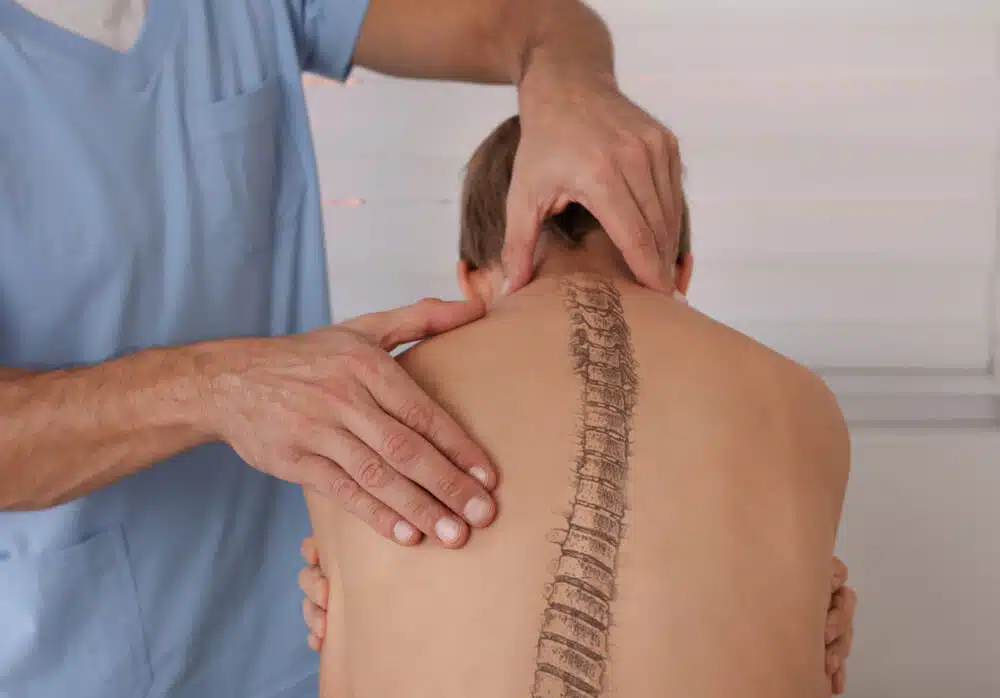
When people receive a diagnosis and treatment of “scoliosis,” their minds often jump straight to one terrifying word: surgery. That fear can completely drown out a much more practical, empowering conversation, one about how to manage your spine, protect your mobility, and stay active for years to come.
Whether you’re a mom who just noticed a slight asymmetry in your teenager’s shoulders or an adult who unexpectedly discovered a lumbar curve on a routine X-ray, learning about effective scoliosis management is your first step toward reclaiming control of your health and your life.
The Hard Truth About Scoliosis: Why “Straightening” Isn’t Always the Goal
Standard marketing for scoliosis care often creates unrealistic expectations by promising complete spinal correction. While achieving a perfectly straight spine is biologically impossible for adults, reducing and stabilizing spinal curves are realistic goals when scoliosis is detected and treated during adolescence.
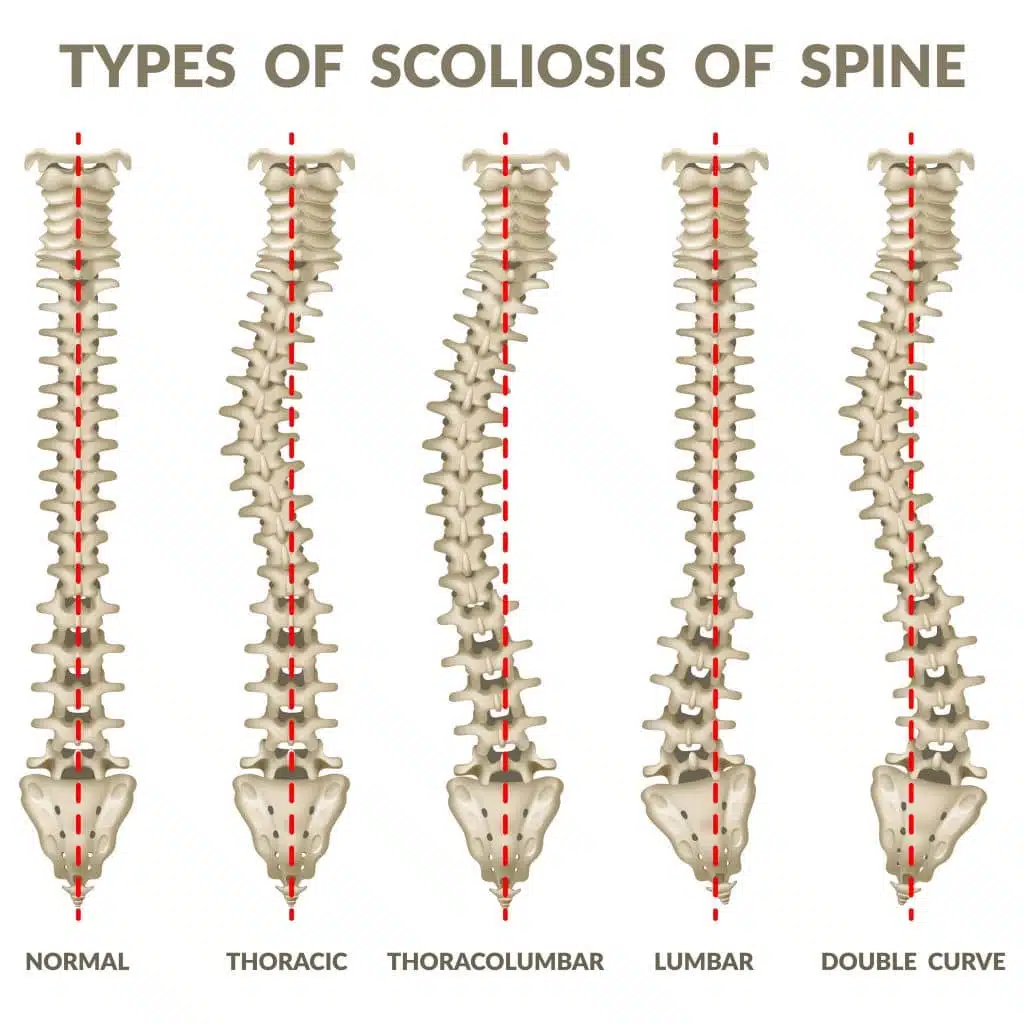
To manage scoliosis well, it is important to know the difference between functional and structural scoliosis.
- Structural Scoliosis: Involves a fundamental alteration in the spine that causes the curve to become permanent, limiting the effectiveness of aggressive treatment.
- Functional Scoliosis: The curvature of the spine is only a secondary response to muscle imbalances or poor postural habits, making targeted rehabilitation effective.
If you are an adult with structural scoliosis, the clinical expectation shifts from a straight spine to pain reduction, improved posture, improved movement efficiency, and halted progression.
Spotting the Signs of Muscle Imbalance
Scoliosis affects more than just the bones in your spine. It also impacts the nerves and muscles around it. When the spine curves, the muscles on each side adapt differently, which can lead to pain if not treated.
Some warning signs of muscle imbalances include:
- Uneven shoulder height or one shoulder blade that wings outward.
- Chronic tightness on only one side of the upper or lower back.
- A visible rib hump when bending forward from the waist.
- Persistent fatigue during prolonged sitting or standing.
- Sudden posture shifts, uneven backpack wear, or favoring one side.
Understanding the Roadmap to Stability
Managing scoliosis is not just about what shows up on an X-ray. How your body moves and feels matters most. While the Cobb angle is important, a moderate curve with good function is better than a mild curve with poor stability.
To achieve functional balance and stability, your treatment roadmap should focus on:
- Keeping stiff spinal joints moving smoothly.
- Strengthening the weaker muscles that support the spine.
- Improving posture during everyday activities.
- Reducing pain and muscle tension caused by the spinal curve.
Why Traditional Symmetrical Core Training Can Worsen Scoliosis Asymmetry
Most patients are never told this crucial fact: standard core exercises are designed for a symmetrical spine. They apply equal weight and tension to both sides of the body. For someone with scoliosis, that is exactly the problem. A modern, evidence-based approach to physiotherapy-specific scoliosis exercises can help address these unique challenges.
In scoliosis, the muscles on either side of the curve differ markedly in length, tension, and strength. Applying equal training to an unequal system will not create balance; it only deepens the existing imbalance.
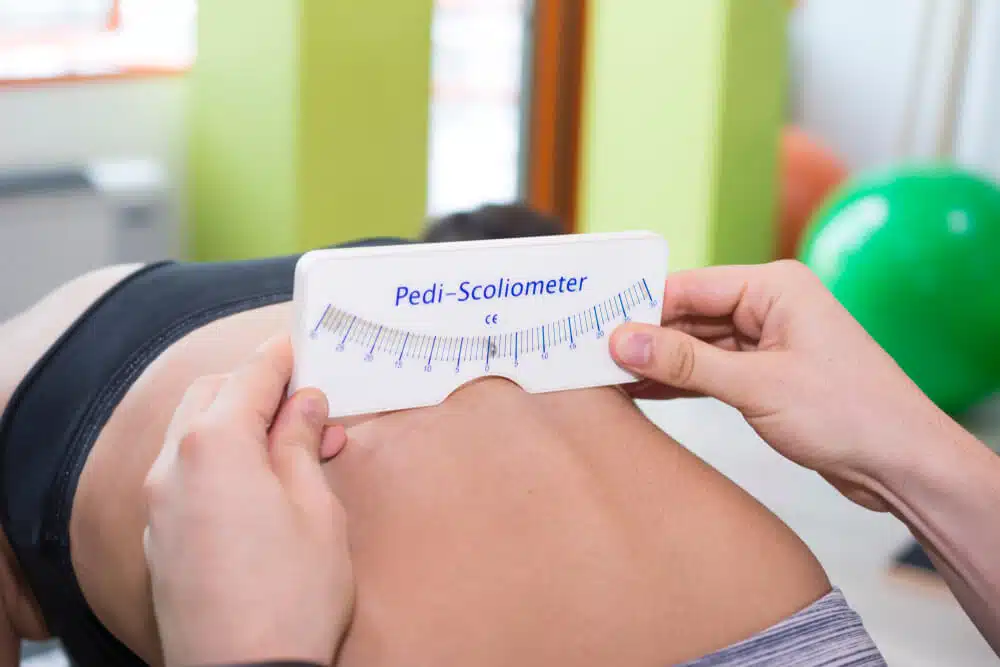
When you perform symmetrical exercises, your dominant muscles naturally take over, leaving the weaker muscles further behind. Over time, this creates serious issues:
- Rotational Stress: The dominant or stronger side of the back pulls harder, forcing the spine into further rotation.
- Joint and Disc Wear: Uneven weight loading accelerates wear and tear of spinal discs and facet joints.
- Widespread Pain: Compensatory movement habits lead to chronic pain that radiates into your neck, hips, and legs.
Why Scoliosis Requires Directional Rehabilitation
The clinical rule of thumb in scoliosis rehabilitation is: “Symmetry in exercise does not equal symmetry in outcome”. Because a scoliosis curve makes the spine inherently asymmetrical, a generic, uniform workout will only reinforce those imbalances.
True correction requires directional rehabilitation tailored entirely to your unique spinal shape. By intentionally directing strength work to the weaker, convex outer side and mobility work to the tight, concave inner side, this customized approach precisely counteracts the curve, restoring balance and function.
How Integrated Care Balances the Body Around the Curve
Integrated scoliosis care, which combines chiropractic and physical therapy, addresses the condition from two angles. Chiropractic care focuses on joint mobility and spinal alignment, while physical therapy builds core strength and corrects muscle imbalances.
Together, they create a dynamic “muscular brace” that stabilizes and supports the body around the curve.
Chiropractic’s Role in Scoliosis Management
Scoliosis is more than a lateral curvature; it actively restricts the joints adjacent to the curve. The localized joint looseness compounds structural stiffness and drives chronic pain.
Chiropractic intervention addresses this mechanical failure through precision joint mobilization. The objective is not a forced structural correction, but rather the preservation of segmental mobility to prevent progressive spinal deformity.
For a growing spine, early, proactive mobilization is definitive care that lays the foundation for physical therapy to be truly effective.
Physical Therapy’s Role in Strengthening Asymmetry
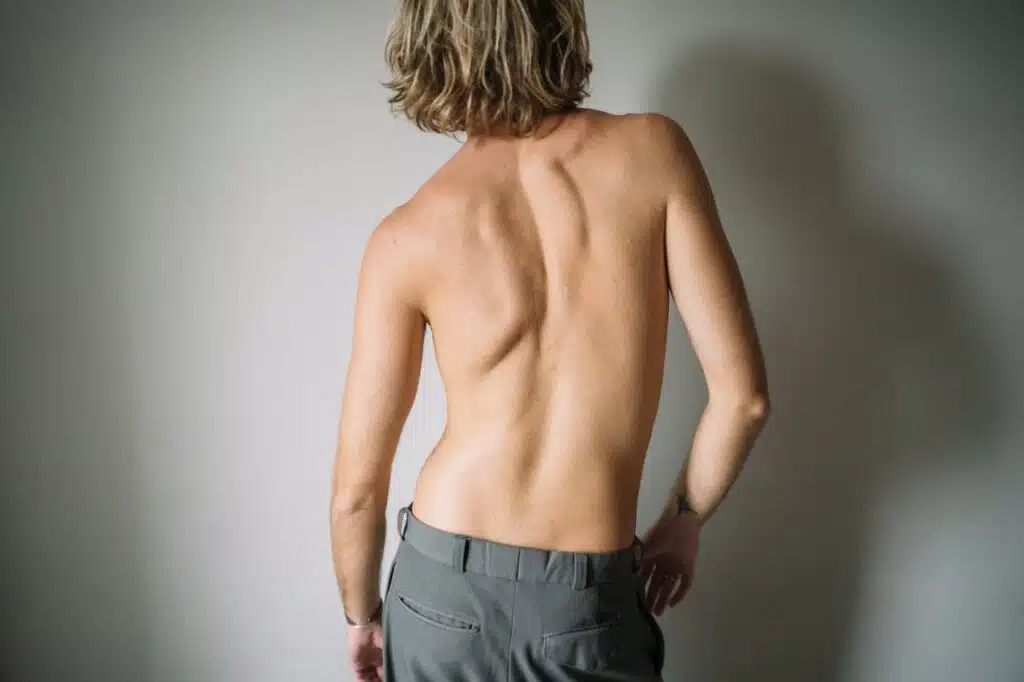
Once joint mobility is restored, physical therapy focuses on rebuilding the muscles needed to stabilize the spine. This means targeting the convex side of the curve, where muscles are stretched and weakened. Strengthening these specific areas creates a natural counterbalance to the tighter muscles on the opposite side.
Crucially, this targeted stabilization helps end the cycle of chronic compensatory pain by relieving the constant, unequal strain on the body.
What Patients Are Saying

Frequently Asked Questions About Scoliosis Management and Nonsurgical Treatment Options
Structural scoliosis is a permanent curve caused by a physical change in the spine, so treatment focuses on managing pain and preventing further progression. Functional scoliosis is a temporary curve caused by muscle imbalances or posture that can often be corrected through nonsurgical scoliosis treatments, such as chiropractic care and physical therapy.
Yes, significantly. Treatment depends entirely on whether the patient’s skeletal system is still growing or fully developed.
For children and adolescents, healthcare providers frequently monitor and adjust treatment plans to guide the spine as it matures. For adults, where the bone architecture is completely fixed, the focus shifts to maintaining daily mobility, reducing compensatory pain, and preventing the existing curve from worsening over time.
You should schedule a clinical evaluation immediately upon suspecting or receiving a diagnosis of scoliosis. Even if symptoms are mild, early intervention establishes a baseline Cobb angle measurement, identifies muscle imbalance patterns, and allows the care team to intervene before compensation habits become entrenched.
For children, evaluation before a growth spurt provides the best window for proactive management.
Progressive scoliosis typically presents as increasing postural asymmetry, worsening pain on one side, reduced range of motion, or a visible increased rib prominence. Clinically, progression is confirmed through comparative Cobb angle measurements over time. Self-monitoring through posture awareness and activity tolerance is a useful signal between appointments.
Yes. Chiropractic care performed by a licensed professional who understands curvature mechanics is generally safe. By focusing on relieving stiffness and pain and keeping the joints moving, this approach offers an effective management for any type of scoliosis.
Your Strategy for a Symmetrical Life: Next Steps
While you can’t reverse permanent scoliosis, you can train your body to function so well that the curve no longer defines your health. Integrated scoliosis care is designed to give you exactly that: better stability, less pain, improved posture, and the confidence to stay active.
At Houston Spine & Rehabilitation Centers, our dedicated clinical team works together to develop a personalized scoliosis management plan to help you overcome limitations and return to what you love. Schedule a consultation today.