What to Expect at Your First Chiropractic Visit

Nobody walks into a chiropractic office out of curiosity. A 2024 analysis published in the Journal of the American Medical Association found that 85.7% of US adults who used chiropractic care in 2022 did so to manage pain. If you are about to be one of them, it’s normal to wonder and worry about what the experience will be like.
Knowing what to expect at your first chiropractic visit, including how long it takes, what it costs with and without insurance, what to bring, and how you will feel afterward, will help you feel more comfortable about the care you are getting.
What Actually Happens, Step by Step
Most people booking a first chiropractic appointment are not nervous about the science. They are nervous about the room, about who they will meet, whether anything will hurt, and how the bill will look on the way out.
Here’s the process in most chiropractic clinics:
Step 1: Paperwork and History Forms
Your first chiropractic visit usually starts with a bit of paperwork. Intake forms ask about your symptoms, past injuries or surgeries, current medications, and insurance information. To make check-in easier, plan to arrive 10 to 15 minutes early or complete the forms in advance if they’re available.
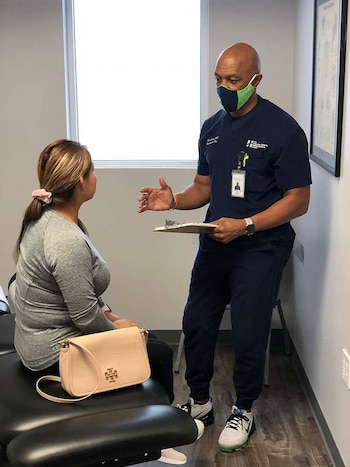
Step 2: The Consultation
Your chiropractor will ask about where you feel pain, when it occurs, what makes it better or worse, and how it affects your daily activities. They may also ask about symptoms such as headaches or digestive problems. These questions help your chiropractor identify signs that your pain may have a cause beyond a mechanical problem.
Step 3: The Physical Examination
Your chiropractor will assess how you move and examine the affected areas, including posture, range of motion, muscles, and the spine. They may also perform orthopedic tests and check your reflexes, strength, and sensation to identify the source of your symptoms and any neurological concerns.
Step 4: Imaging, If It Is Needed
X-rays aren’t automatically part of every chiropractic visit. Your chiropractor may recommend imaging when your symptoms or examination suggest that a closer look is needed, such as after an injury, when a fracture is suspected, if neurological symptoms are getting worse, or when pain hasn’t improved with appropriate care.
Step 5: Our Findings and Your Treatment Plan
Before treatment begins, your chiropractor should explain what they found and what may be contributing to your symptoms. Your treatment plan should outline the recommended care, how often you may need visits, what to expect as you progress, and how your response to treatment will be evaluated.
Will I Be Adjusted on the First Visit?
Usually, yes. However, an adjustment may not be appropriate right away if the exam reveals a red flag or if another type of care or referral would be more appropriate. In those situations, your chiropractor should explain the reason and discuss the next steps with you.
How Long Does a First Chiropractic Appointment Take?
Your first chiropractic appointment may take about 45 to 60 minutes. Most of that time is spent discussing your symptoms and completing the examination. It may take longer than an hour if you need an on-site imaging test, have a more complex medical or surgical history, or receive treatment the same day.
Follow-up visits are usually much shorter. Because your chiropractor already has your history and initial assessment, follow-up appointments often take 10 to 20 minutes of treatment.
How Much Does It Cost to See a Chiropractor?
The cost of a chiropractic visit can vary depending on whether you have insurance or plan to pay out of pocket. If it’s your first time seeing a chiropractor, understanding these factors ahead of time can give you a clearer idea of what to expect.
If You Have Insurance

Many major health insurance plans cover at least some chiropractic services, but your out-of-pocket costs depend on the details of your specific plan. Three factors typically determine what you pay:
- Your deductible: Until you meet your deductible, you may be responsible for the insurer’s negotiated rate for covered services.
- Your copay or coinsurance: Once your deductible is met, you may pay either a fixed copay per visit or a percentage of the allowed cost.
- Your visit limit: Some insurance plans place a yearly limit on the number of chiropractic visits they cover.
Keep in mind that the initial examination may be billed separately from the chiropractic adjustment. This can make your first bill higher than the cost of subsequent visits, even if your insurance covers them.
If You Are Paying By Yourself
Your first visit to a chiropractic clinic typically costs more than follow-up appointments because it includes a comprehensive consultation and physical examination, and may also include treatment.
An initial visit that covers these services can range from $87 to $161. However, the cost per follow-up service dropped to $67.40. Ask the clinic whether it offers a self-pay discount, bundled rate, or prepaid package. These options may help reduce the overall cost of care.
What Makes the Difference
The cost of a first chiropractic visit can vary depending on where you live, the type of practice you visit, your insurance coverage, and whether treatment is provided during the same appointment.
While prices may vary from one clinic to another, a systematic review comparing chiropractic care with other treatments found it generally less expensive.
What to Wear and What to Bring
Wear loose, comfortable clothing that allows you to move easily. Skip restrictive jeans, heavy belt buckles, and chunky jewelry that could get in the way during the examination. In most cases, you will not need to change into a gown.
It also helps to bring:
- Photo ID and your insurance card
- A list of your current medications and supplements
- Any recent imaging or specialist reports
- The name of your referring doctor, if you have one

Does the First Chiropractic Adjustment Hurt?
Your experience depends on the technique used, the area being treated, and how sensitive the joint or surrounding tissues are.
If your chiropractor performs a manual adjustment, you may feel a bit of pressure on the area being treated. You may also hear a popping sound caused by gas moving within the joint fluid. This is normal and does not mean anything is breaking.
If you prefer a gentler approach without the popping sound, ask your chiropractor whether the Activator Method is an option.
How You Might Feel Afterward
Mild soreness for a day or two is a common response after your first treatment. It may feel similar to the muscle ache you experience after an unfamiliar workout and typically settles within 24 to 48 hours. Some people notice improved mobility right away, while others may feel tired later that day.
To support your recovery, keep moving gently, drink water, and apply ice to any irritated area. Avoid strenuous activity that puts unnecessary stress on the treated area.
Seek prompt medical attention if you experience severe or worsening pain, new numbness or weakness in an arm or leg, or changes in bladder or bowel control.
Questions Worth Asking at Your First Appointment
It’s normal to have questions about what happens at a chiropractor’s clinic, especially if you’ve never had chiropractic care before.
Use your first appointment as a chance to understand what may be causing your symptoms, what the treatment involves, and what to expect from your care.
Here are questions you are encouraged to ask your chiropractor:
- What do you think is causing my symptoms, in plain terms?
- How many visits might I need, and what will determine that?
- How will we know whether treatment is helping, and when should I expect to notice a change?
- What would you recommend if my symptoms do not improve?
- Is there anything about my condition that would be better evaluated or treated by another provider?
- What can I do at home to support my recovery between visits?
Your First Visit to Houston Spine & Rehabilitation Centers
If you’re wondering what to expect at your first chiropractic visit, your appointment at Houston Spine & Rehabilitation Centers may involve more than the treatment alone.
Your first visit is assessed by a multidisciplinary team that understands your symptoms and overall health goals. Depending on your assessment and physical examination, we tailor a treatment plan based on your needs.
If imaging is clinically appropriate, it is available on site for added convenience. Our team can also help verify your insurance benefits over the phone beforehand, so you have a clearer idea of your expected costs before you arrive.
Mostly Talking, Then a Plan

If you’ve been thinking about seeing a chiropractor, knowing what to expect at your first visit can help ease some of the uncertainty before you walk through the door.
At Houston Spine & Rehabilitation Centers, our goal is to make you feel comfortable and confident about your care. We offer a holistic approach to wellness to help alleviate pain, improve mobility, and enhance your quality of life.
If you are ready to start your chiropractic journey, you can schedule an appointment at our Houston or The Woodlands clinic today.
Frequently Asked Questions
The cost of a first chiropractic visit can vary depending on whether you have insurance or plan to pay out of pocket. If you plan to pay out of pocket, your initial visit may cost between $87 and $161.
Plan for about 45 to 60 minutes for your first visit. This gives your chiropractor time to review your concerns, perform a thorough examination, explain the findings, and recommend an appropriate treatment plan. Follow-up visits are typically shorter, lasting about 10 to 20 minutes.
Wear comfortable, loose-fitting or stretchy clothing that allows you to move easily during the examination and treatment. It’s also best to avoid heavy belts, bulky jewelry, or anything that could restrict movement or interfere with the area being treated.
Often, yes. If your examination shows that an adjustment is appropriate, your chiropractor may provide treatment during the first visit. However, if your chiropractor suspects some red flags, he may order an imaging test and postpone treatment until the results are reviewed.
The adjustment itself is usually not painful, although you may feel brief pressure or movement during treatment. If anything feels uncomfortable or painful, let your chiropractor know right away so they can adjust the technique as needed.
Yes. Similar to the muscle ache you feel after exercise, mild soreness can be normal after an adjustment and usually resolves after 24 to 48 hours. Contact the clinic if your pain is severe, worsening, or accompanied by new numbness or other concerning symptoms.
In most cases, no. Texas allows patients to see a chiropractor without a referral, although some insurance plans may require one for coverage. Check with your health plan beforehand to confirm its specific requirements.